
Fleet Management Reporting: Complete Guide for Smarter Operations


The secret of operating an effective and profitable fleet lies in fleet management reporting. It is necessary to understand how to gather, analyze, and use fleet data to derive actionable insights from it. As an owner, fleet manager, or head of operations, the use of actionable fleet reports is the most important ingredient.
The modern-day busy logistics market lives by insightful information gained from precise and transparent reporting, which enables managers to optimize routes, ensure vehicles operate within the law, minimize downtimes, and reduce fuel costs. This guide takes a look at the various factors of fleet reporting, the importance of fleet reporting, the application of the appropriate fleet management report templates, and leveraging the new technology.
Overview of Fleet Management Reporting
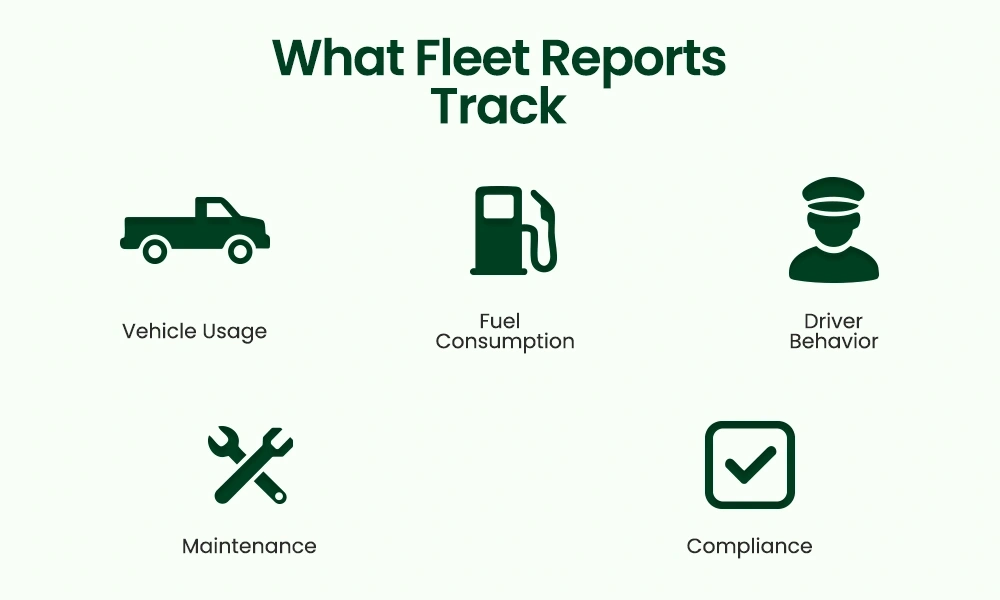
Fleet management reporting is an indicator of the well-being and the dynamics of your fleet, gathering information about the usage of your vehicles, driver behavior, fuel consumption, maintenance schedules, and compliance. This information, combined with its efficient analysis, results in improved decision-making that keeps the trucks on the road and at the same time under control as far as costs are concerned, which is a critical factor to logistics experts who are concerned about cost-efficiency and stability.
A structured fleet management report template is a guarantee of consistency and ensures no essential information falls through the cracks.
This preliminary understanding not only prevents repair expenses but also improves productivity in general. Beyond operational insights, fleet management reporting is increasingly vital for regulatory compliance. ELD (Electronic Logging Device) mandates and other state or federal regulations require precise tracking of areas covered in the regular fleet management market report.
Regardless of using spreadsheets or more sophisticated fleet management software, the adoption of detailed fleet reports is the key to long-term development and competitive advantage. This is the reason why, being an owner or operational manager, you should be aware of:
Why Fleet Management Is Important
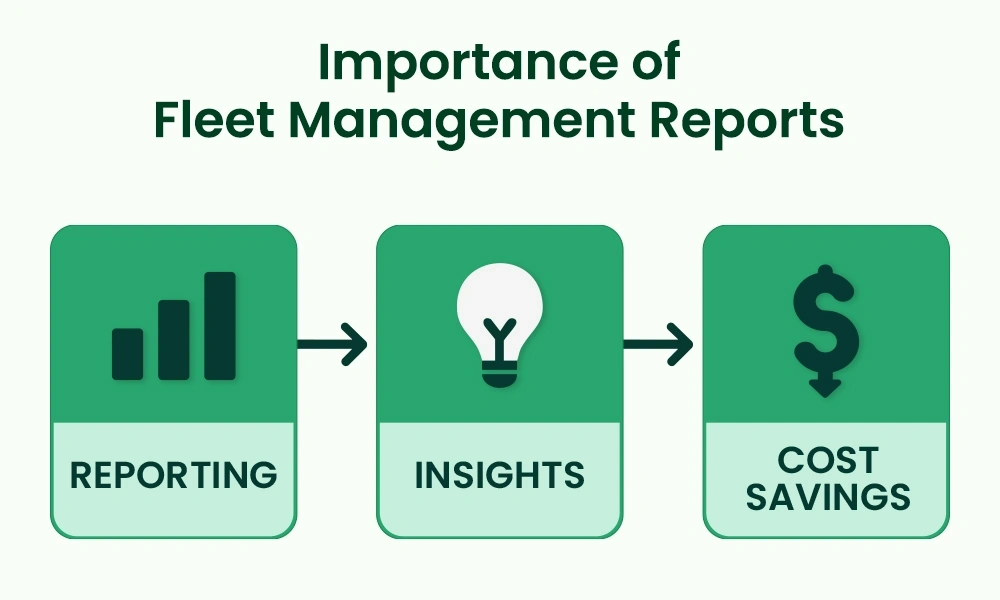
Reporting helps to achieve organizational objectives like fleet maintenance cost reduction, driver safety, and delivery speed improvement. Good fleet management reporting results in a lot of operational benefits. When you know the importance of fleet management, you can understand the overall value that reporting provides not only in the day-to-day activity of an organization but also in facilitating strategic decision-making and responding to market changes concerning sustainability and speed.
Importance of Fleet Management Reports

Accurate information is all in logistics. This is why fleet management reports are not merely operation-facilitating tools but a strategic tool that will allow you to view the entire picture of your fleet performance. The clear fleet reports cover the health of the vehicles, fuel consumption, safety of drivers and vehicles, and regulation compliance, which directly affects your bottom line.
A reliable fleet management report template allows you to streamline a large amount of data, which will allow you to identify patterns and prevent expensive problems before they arise.
Tom is a fleet manager with extensive Ohio experience who, as another example of the importance of timely reports, highlighted that his business saved more than $15,000 in unnecessary walks to repair by identifying the problem in time.
In addition, fleet management reports enhance growth policies, especially in saving money. By having knowledge of the fleet management market report, managers can foresee the changes in the industry and make proactive changes.
Sustainable Fleet Management and Reporting
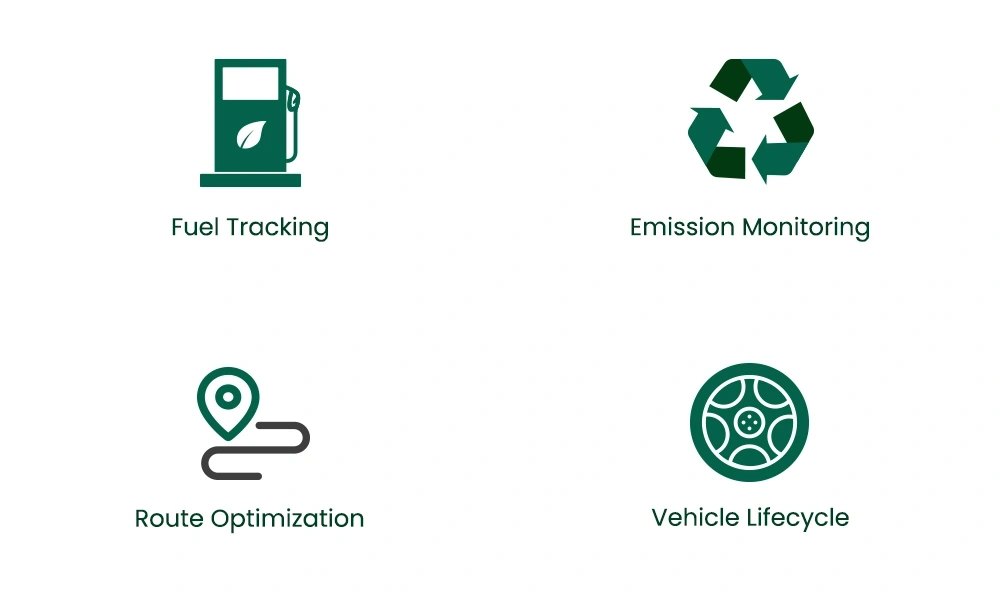
As sustainability gains importance within the logistics sector, a prudent move to make in your fleet management reporting is to incorporate sustainable fleet management practices. This involves keeping accurate records on the fuel usage, emissions, route scheduling of eco-friendly routes, and vehicle lives.
Fleet operators adopting sustainability report these initiatives enhance their brand image and meet tighter regulatory requirements while often realizing cost savings. With the help of sophisticated tracking indicators and comprehensive fleet reports, managers discovered that environmentally friendly options can be financial payoffs.
Sustainable reporting is aligned with larger business objectives and the availability of facilities for green financing, which makes it a strategic advantage in the future-proofing of your business.
Types of Fleet Reports for Managers
Fleet managers use different types of reports to maintain control over daily operations and long-term planning. Each fleet management report serves a specific purpose, providing a complete overview when combined.
The various types of reports that fleet managers utilize are aimed at ensuring control in the day-to-day operations and in long-term planning. Every fleet management report is meant to serve a certain purpose, and when combined, the complete picture is achieved.
- Maintenance Reports: follow-up service records and impending repairs, which are essential in controlling the fleet maintenance costs and avoiding vehicle downtime. Having a comprehensive fleet management report template that focuses on maintenance is one such example that will enable you to avoid breakdowns by notifying you about the engine or brakes, or tires before they become a major problem.
- Fuel Usage and Mileage Reports: These include fleet mileage reporting and demonstrating fuel consumption patterns, and aid in identifying inefficient routes or vehicle abuse. The information allows the implementation of specific modifications, such as rerouting or driver coaching, to reduce fuel waste by a significant margin.
- Driver Behavior Reports: These are about the safety measures, like speeding, rough braking, or idling, which are important to address by fleet accident management. By becoming better drivers, fewer accidents and fewer insurance claims, and a better fleet reputation are achieved.
- Compliance and Inspection Reports: This is necessary in the operation of a fleet to ensure DOT compliance and the mandates of ELD, as well as inspections of the safety, are taken care of.
The comprehensive fleet management market report gives a big picture view to the management people in the industry. It supports better forecasting, budgeting, and informed decisions.
Exploring more types, such as financial reports for cost analysis and risk assessment reports, and how they intersect with your strategy, is important to stay on top of fleet management trends and evolving market demands.
Fleet Mileage Reporting and Cost Control
Fuel expenses are usually among the highest operational costs of any fleet, and thus, fleet mileage reporting is a tool that is invaluable in the management of costs. Proper fleet management reporting would point out high-mileage, unauthorized use, and idling. It allows the fleet managers to enhance efficiency in routes and save a lot of fuel. An effective fleet management report template can be used very conveniently to monitor the mileage of a fleet and identify areas where there is inefficiency.
Besides saving fuel, detailed fleet management reporting assists in smarter maintenance scheduling, which has a significant influence on the total fleet maintenance costs.
Software Solutions for Fleet Management Reporting
Digitizing fleet management reporting by using specialized software solutions can transform the process of data collection, organization, and analysis. These systems automate most of the manual jobs and produce correct fleet reports in real-time, minimizing the administrative overhead and mistakes in data entry. Most importantly, they allow access to important information in a short time when you require it.
Technology that implements an efficient fleet management report template will streamline the reporting process by enabling the managers to reduce the time spent on administration by half without sacrificing its accuracy and compliance. ELDs, GPS, and telematics devices are also integrated into automated systems, and they are used for fleet mileage reporting in real time and to monitor drivers.
A customizable dashboard, extensive analytics, and mobile-friendly access are available in modern platforms, and they fit multitasking logistics hustlers. Owners who intend to adopt emerging fleet management trends, including autonomous fleet management technologies, enjoy software that is able to process large quantities of data and produce valuable reports regularly.
Integrating Fleet Accident Management into Reporting
Quick and efficient response to accidents will save your fleet time and the increasing insurance fees. By incorporating fleet accident management modules into your general fleet management reporting, you will have fast incident documentation, damage assessment, and adherence to the insurance and legal requirements.
Your fleet reports are fed with real-time accident reports, and that is where you can take instant action, plan to make repairs, retrain drivers, or modify the routes. This not only minimizes repetitive incidents but also assists in keeping safety records that are vital in regulatory compliance and competitive image.
An intelligent fleet management report template includes sections for accident data and follow-up status, which assist managers in monitoring the outcomes and mitigation of liability. Accident management reporting becomes even more important as fleet operations are extended to new technologies such as autonomous vehicles, as the risk profile changes.
Conclusion
The investment in effective fleet management reporting is essential to provide cost savings, effectiveness in operations, and regulatory compliance. A well-designed fleet management report template and effective fleet management reports will help you keep track of maintenance, fuel consumption, driver actions, and compliance level. The practical examples of transformational abilities of smart fleet reporting to minimize downtime, decrease fuel and maintenance expenditure, and improve the safety of drivers can be found in real-life testimonials. Whether you have a large fleet or a small one, the only sure bet to be competitive and profitable is to adopt correct and timely fleet reports.
Frequently Asked Questions
Is fleet reporting useful for small fleets as well as large operations?
Yes, fleet management reporting benefits fleets of all sizes by providing actionable insights. Small fleets especially benefit from straightforward fleet management report templates that improve efficiency and cost control.
How can automated reporting reduce errors in fleet management?
Automated fleet reporting collects real-time information directly from the vehicles and drivers, minimizing the errors in manual entry and delivering more accurate fleet management reports to make better decisions.
How secure is the data used in fleet management reporting software?
Leading fleet management reporting software applies strong encryption, access controls, and regular updates to keep sensitive fleet reports and data safe from unauthorized access.
Can small businesses use fleet management report templates effectively?
Absolutely. Simple and customizable fleet management report templates help small businesses organize their data easily, facilitating efficient reporting and cost-saving insights.