
Fleet Accident Management: Effective Strategies and Solutions

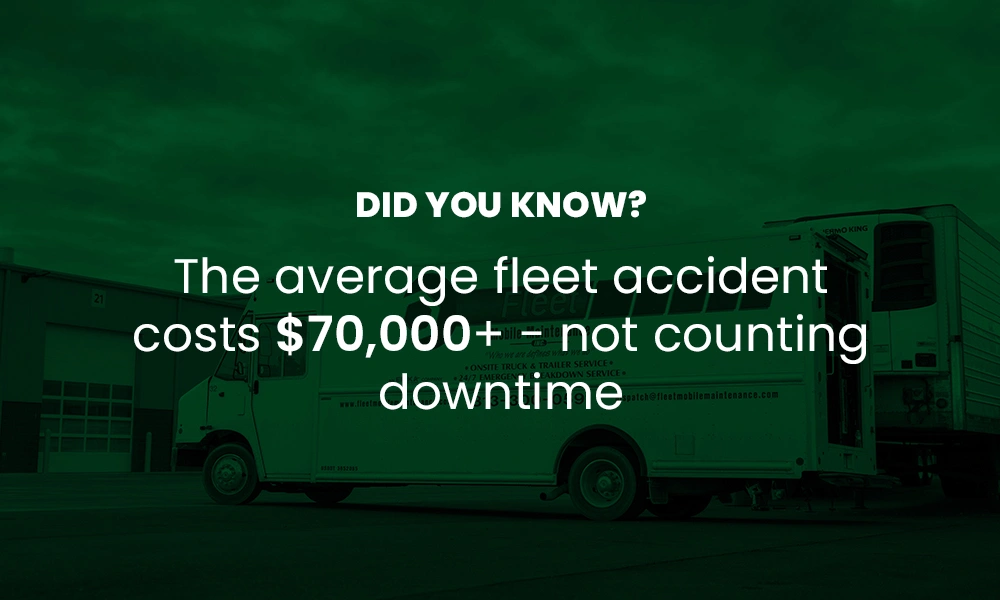
“What if one single truck accident could cost your fleet US $14.5 million?
According to FMCSA data, the average fatal crash for a large commercial vehicle reaches that staggering amount. If you’re managing a fleet and assuming ‘it won’t happen to us’, that assumption can’t stand. Because right now, the money, downtime, reputational damage and risk to drivers are simply too high.”
The efficient running of a fleet does not only reside in keeping trucks moving; it is about keeping them safe. Fleet accident management is also an essential component in the smooth and cost-efficient running of an operation. Effective accident management can spare thousands of dollars and the headaches that come with wasted work hours waiting for insurance claims to come through, and limited time off from work due to downtime after a particular accident. However, good accident management does not just happen miraculously. It involves an evident plan and the proper equipment.
What is fleet Accident Management?
Fleet accident management is the process of handling vehicle accidents involving commercial fleets from the moment a crash occurs to the final insurance claim and repair. The target is to reduce downtimes, manage costs, and enhance overall fleet management safety. This involves accident reporting in time, assistance to drivers, liaising with insurance companies, and proper repair. Productive accident management will not only safeguard your assets and drivers but also ensure that you are in line with the industry requirements.
FMCSA states that nearly 5,700 large trucks were involved in fatal crashes in 2021. This marks a 49% increase since 2010. Over 117,000 large trucks were involved in injury crashes in the same year.
Quality accident management services are more than a reaction to accidents, especially to those involved in the fleet industry. Preventative measures include the conduct of DOT inspections regularly and the conduct of regular truck preventive maintenance, and the incorporation of telematics technology that tracks driver behavior and truck fitness. Such an active approach mitigates risks and helps in vehicle accident management in a more comfortable way. The complete lifecycle of handling a fleet accident, including highway accident management, is ultimately safer and more efficient for the fleets on the road.
Why effective fleet accident reporting matters?
Getting a quick and accurate report on the accident is the heart of logistically effective fleet accident management. Effective reporting can help ensure that the right information can reach the right people quickly, avoiding confusion and thus helping to eradicate delays related to repair and fleet insurance claims. Having reliable accident management services prevents accidents from becoming drawn-out nightmares that bring your operation to a stop.
High Cost of Fleet Accidents
When it comes to operating a fleet, accidents not only threaten safety concerns but also financial setbacks that you can not afford. Fleet accident management is vital due to the fact that the crash costs of a particular fleet go far beyond the repair bills. It consists of lost time, higher insurance rates and premiums, medical expenses, and possible legal expenses.
According to NHTSA: “The Economic and Societal Impact of Motor Vehicle Crashes, 2019” shows that the economic cost of motor vehicle crashes in the U.S. in 2019 was US $340 billion. This is equivalent to about US $1,035 per person.
Strategies for an Effective Fleet Accident Management
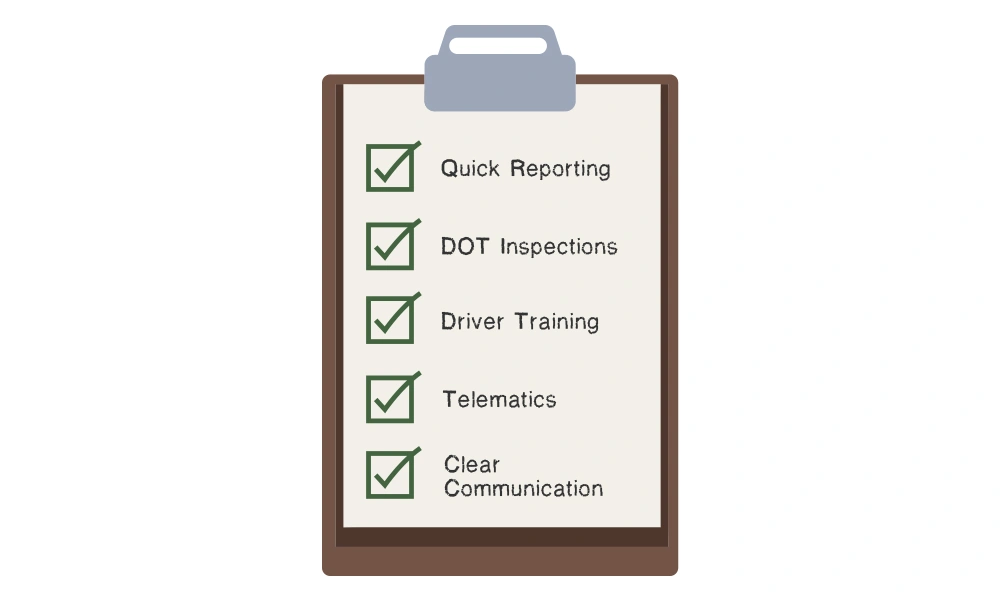
Running a successful fleet means being ready for the unexpected, and accidents happen. The key to minimizing their impact is having a strong fleet accident management strategy in place. This includes everything from quick accident reporting and driver support to smooth fleet insurance claims and repair coordination. Among the best strategies for effective fleet accident management are maintaining regular DOT inspections and thorough truck preventive maintenance.
Strong fleet incident management protocols ensure clear communication, quick decision-making, and accurate documentation, all of which are required for faster fleet claim management. Business owners, like a Midwest fleet operator, found that focusing on these processes helped reduce fleet violation management problems and sped up repairs, which ultimately saved them big on overall fleet management costs.
- Prioritize Quick Accident Reporting: Train your drivers to report accidents as soon as possible. This minimizes confusion and delays.
- Provide Driver with Necessary Support: Arrange guidance on-site regarding assistance and post-incident guidance. This will give confidence to the drivers to manage stressful situations effectively and stay safe.
- Streamline Fleet Insurance Claims: Use centralized systems or software. It will handle claims efficiently and reduce administrative time.
- Coordinate Repairs Smoothly: Find a trusted partner like Epika Fleet. Experts will help you to get vehicles back on the road faster. Your downtime will significantly be reduced.
- Maintain Regular DOT Inspections: Conduct scheduled inspections. Detect potential safety risks before they lead to accidents or violations.
- Implement Thorough Preventive Maintenance: Keep trucks in top condition through routine maintenance. Inspect regularly to prevent mechanical failures and costly accidents.
- Develop Strong Fleet Incident Management Protocols: Create clear communication channels, defined roles, and documentation procedures for handling accidents efficiently.
- Make Data and Documentation Your Main Focus: Accurate, detailed reports help speed up claims, identify recurring issues, and support compliance audits.
- Evaluate and Improve Continuously: Analyze incidents regularly to find trends, update policies, and reduce future risks.
Implementing Proactive Maintenance and Inspections
Among the most brilliant things in the field of fleet accident management is scheduling preventative. It also includes fleet repair and consistent checks. Through scheduled DOT inspections and a structured truck preventive maintenance schedule, fleet managers can now have the opportunity to troubleshoot any issues. They can stop any arising problem with their fleets before they lead to fatal crashes. This strategy does not only reduces working stoppages. It saves you from costly repairs. You have added safety to the roads for drivers and other people.
Driver Training and Safety Programs
Investing in thorough driver training is another pillar of effective fleet accident management. Strong fleet driver safety programs train drivers on defensive driving, compliance, and handling emergency situations. These programs reduce the number of accidents and also help with fleet violation management by keeping drivers sharp on the rules of the road.
Real-Time Monitoring and Telematics
Using telematics technology is a game-changer in today’s fleet accident management. It assists in real-time tracking of driver behavior, vehicle health, and even in detecting reckless driving, like Hard Braking, etc. This data fuels immediate feedback and improves ongoing fleet accident and driver safety management.
Integrating telematics with smart fleet accident management software helps make your overall accident management process faster and more efficient.
Establishing a Clear Accident Response Plan.
The next key step in effective fleet accident management is a well-articulated, emergency accident response strategy. When an accident occurs, drivers and managers are to be aware of precisely what is to be done: the priority should be given to safety, the accident scene should be secured, the emergency services are to be called, and a notification made to dispatch. This kind of clear protocol reduces confusion and helps control damage quickly.
Accident Documentation and Reporting
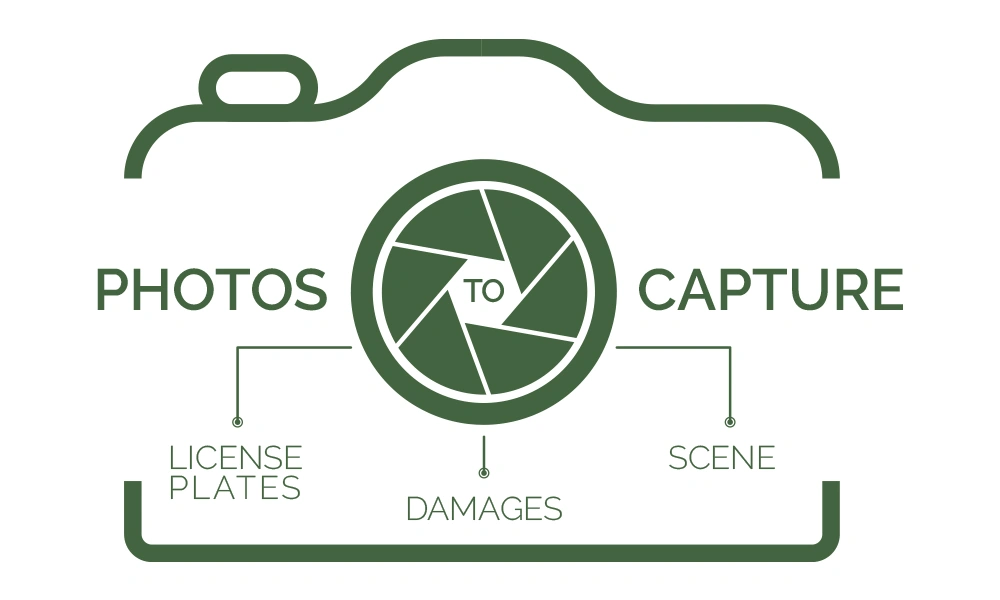
An efficient and effective record keeping is the prime aspect of winning the claims game. Shorter and fairer settlements of insurance claims are supported by capturing all the necessary photos of the scene, vehicle damage, witness, and driver statements, all in a shorter amount of time. Digital tools such as fleet accident management software result in a faster process with less time wasted.
Post-Accident Investigation and Analysis
Getting to the root of the cause of every crash results in better long-term fleet management safety. Examining the root causes will reveal ‘why’ the accident happened. Such as driver misjudgement, vehicle malfunctions, or other external conditions can be brought to attention, providing the opportunity to alter training or maintenance.
Combined with real-time insights from telematics technology, this analysis strengthens your overall fleet accident and driver safety management strategy.
Legal and Claims Management
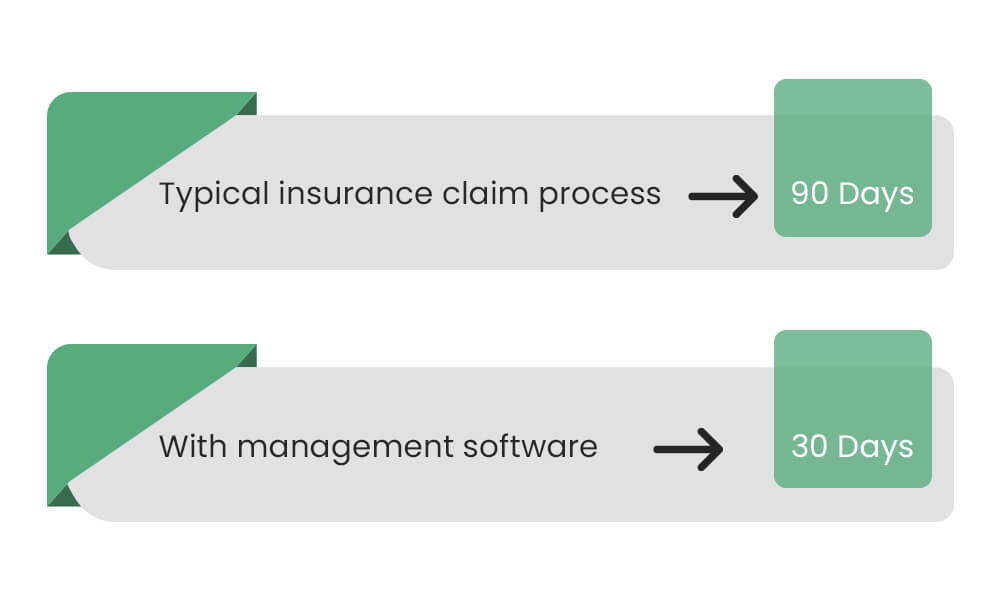
Legal aspects of a crash may be overwhelming. Effective fleet claim management would require experience and accuracy on the part of the insurance company. Outsourcing to informed accident management services or the use of specialized software also assists in ensuring that the paperwork is kept cogent and claims are resolved as quickly as possible.
Accident Management Services
Professional accident management services take the weight off your shoulders. They handle the complex parts of post-accident work. Arranging repairs, managing claims and guiding drivers through recovery, everything will be done by them.
Services from providers like Epika Fleet combine technology and expertise. We deliver end-to-end solutions tailored for busy fleets wanting to minimize downtime and reduce risk.
Manage and Prevent Fleet Accidents with Epika Fleet
Managing and preventing fleet accidents requires a clear, reliable partner who understands the daily challenges of the logistics hustler. Epika Fleet offers comprehensive fleet accident management solutions that cover everything from accident prevention to quick response and efficient claims handling. With tools designed to improve fleet driver safety, streamline fleet incident management, and reduce fleet management cost, Epika Fleet helps keep your trucks on the road and your business running smoothly.
Conclusion
Fleet accident management is the only way to stay safe. It keeps you reliable and profitable. A smart investment in accident management services, is an investment in your security and efficient budget. You will see reduced downtime and insurance expenses. The overall efficiency of your fleet will increase. By investing in prevention, effective responses to accidents, and well-organized claims, you eliminate the unpredictability of setbacks.
The effectiveness of a well-planned pragmatic approach has indeed been shown successfully in real-world operations. To flawlessly control and avoid common fleet accidents in your fleet, read how Epika Fleet can simplify the integration of the latest technologies and professionals into your workflow. When your fleet is operating safer and more efficiently, it gives you peace of mind, and each mile on the road is worth its weight in gold.
FAQ’s
 What is fleet incident management?
 What is fleet incident management?
Fleet incident management is the process of handling vehicle accidents and incidents promptly, including reporting, driver support, repairs, and insurance coordination.
What are some fleet management solutions?
 What are some fleet management solutions?
The term fleet management solutions are basically tools and services that help manage vehicle tracking. Most importantly it includes maintenance, driver safety and accident handling. The fleet efficiency improves automatically and the cost is reduced.
What is the most important part of fleet management?
 What is the most important part of fleet management?
The most importance part of fleet management is providing security. It should reduce costs and maintain compliance. If the trucks are meeting delivery schedules efficiently without any hassle then things are going right.