
Heavy Duty Truck Transmission Guide for Semi Trucks


A heavy-duty truck transmission problem rarely starts with downtime! It’s often the minor issues that create big problems. Whether you’re managing a fleet of trucks or operating a single tractor, understanding how the transmission works is important. It can reduce breakdowns and costly repairs.
If your fleet is hauling heavy loads regularly, you might’ve seen it putting extra stress on the drivetrain, resulting in damaged clutches or seals. Before you know it, your truck’s already out of service! Fleets can prevent such costly downtime by recognizing warning signs early and staying on top of routine maintenance by fleet service providers, like Epika Fleet.

Types of Heavy-Duty Truck Transmissions
Not all commercial trucks use the same transmission. The best system for you depends on your application, route, load, and driver preferences. Today, fleets use three main semi-truck transmission types. Each offers different benefits for performance, maintenance, and fuel efficiency.
Manual Transmission Truck Systems
With the manual transmission truck system, your driver controls engine speed and torque by manually selecting gears with a clutch, gear shifter, and gear lever. It’s been the industry standard for decades!
Many experienced drivers prefer a semi-truck manual transmission because it provides greater control for hauling heavy loads or climbing steep grades. The mechanical simplicity of manual transmissions can also make semi-truck transmission repair easier.
However, they require more driving skills. That’s why driving for long periods in heavy traffic can lead to driver fatigue. Improper shifting can also lead to increased wear on clutch components and other heavy truck transmission parts. This will increase maintenance costs.
Semi-Truck Automatic Transmission Systems
A semi-truck automatic transmission selects the right gear automatically based on the vehicle’s speed, engine load, and driving conditions. It’s become more common among commercial fleets.
Modern truck automatic transmissions improve comfort for your drivers by reducing driver fatigue when they’re making deliveries in cities, driving through heavy traffic, and making stops frequently. Fleets appreciate automatic transmissions for their consistency, especially if multiple drivers are operating the same equipment.
Heavy-duty truck automatic transmissions optimize fuel efficiency and reduce drivetrain wear due to inconsistent shifting. These systems have more electronic components than manual transmissions, but improved diagnostics have made it easier to identify transmission problems.
Automated Manual Transmissions (AMTs)
Automated manual transmissions combine the best of both transmissions: automatic and manual. Internally, they operate much like manual transmissions, whereas automatic controls take care of clutch engagement and gear selection.
AMTs are popular among fleets. They offer fuel efficiency comparable to manual transmissions and reduce the driver’s workload. The AMTs also standardize shift patterns across a fleet to minimize the impact of different driver experience levels.
As the shortage of drivers continues to affect the trucking industry as a whole, AMTs are a great solution for fleets to simplify training without sacrificing performance.
Essential Heavy Duty Truck Transmission Maintenance
Transmission maintenance goes beyond changing fluid. Each inspection identifies wear and tear before it becomes a breakdown on the road. Regular maintenance can help you prevent costly internal components and avoid unplanned downtime.

Your heavy-duty truck preventive maintenance program should include fluid checks, leak checks and cooling system evaluations. It should also consider electronic diagnostics and inspections of drivetrain components. Since many transmission failures are the result of neglected maintenance, routine service can help you detect them early.
During every preventive maintenance, give dedicated attention to the truck transmission. As you get your truck’s entire drivetrain inspected by technicians, they’ll detect developing problems before your truck loses productive hours or misses scheduled deliveries.
Transmission Fluid Management
For the proper operation of a heavy-duty truck transmission, fluid management is important. Transmission failures don’t happen overnight. As fluid slowly breaks down, heat builds up. That’s when the internal parts start wearing out faster than they should.
If you’re focused on maintaining your truck’s fluid level and ignoring fluid condition, it can shorten the life of clutches, bearings, synchronizers and other truck transmission parts. As the fluids degrade, there’ll be transmission problems, causing your truck to break down from overheating and slippage of the gears.
To avoid uncertainties, make sure your fleet adheres to the manufacturer’s recommended service intervals. Also, adjust schedules for severe operations such as heavy hauling and back-to-back deliveries during extreme temperatures.
Semi-Truck Transmission Oil Inspection
Checking heavy-duty semi-truck transmission oil is more than just checking the fluid level in any heavy-duty truck’s automatic transmission. If you’re using a manual transmission, ask your technicians to check the color, smell and consistency of the transmission oil. In case of discoloration, metal shavings, or a burning smell, there could be internal damage.
You shouldn’t even ignore the small leaks. Slow leaks can reduce lubrication and increase operating temperatures. Additionally, they accelerate wear on internal parts. Inspect transmission seals, cooler lines, fittings, and gaskets for leaks. Proper heavy-duty truck transmission oil inspection can reduce repair and replacement costs.
Cooling System Maintenance
Heat is the biggest enemy of any heavy truck transmission! As transmission temperatures increase, fluid begins to degrade. It decreases its ability to protect and lubricate internal components.
That’s where the semi-truck transmission cooler becomes vital. It removes excessive heat from the transmission fluid before recirculation takes place. Therefore, if the cooler is damaged or clogged, temperatures may rapidly increase.
Ensure that your technicians inspect all semi-truck transmission cooler lines for leaks and the proper flow of fluids. Maintaining a stable temperature will certainly extend the lifespan of the transmission and reduce the chance of costly breakdowns.
Preventive Maintenance Best Practices
Transmission maintenance isn’t something that should be done in isolation. A comprehensive maintenance program will examine the entire drivetrain in order to detect problems before they impact your fleet’s daily operations.
The following are some of the best practices:
- Check transmission mounts to see if they are worn or damaged.
- Inspect driveline components that may be vibrating excessively.
- Check the condition of transmission fluid and its level.
- Check for electronic transmission fault codes.
- Address the unusual noises or shifting concerns immediately.
- Follow manufacturer-recommended service intervals.
Use maintenance records to identify issues recurring across multiple vehicles. It’s easier to identify patterns when you track truck repairs over time.
Schedule preventive maintenance before an unexpected downtime forces you to! It may be a bit time-consuming, but surely less disruptive than a truck sitting on the road with a failed gearbox.
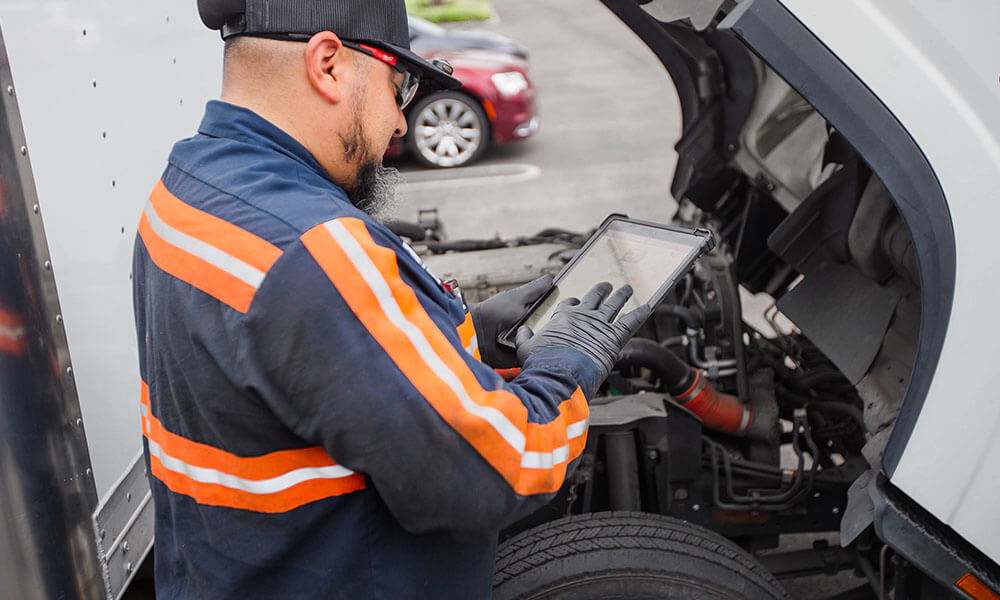
Common Signs of Transmission Problems
Your truck might be giving you several warning signs that something’s wrong! It’s important to recognize these warning signs at the earliest to avoid a costly truck transmission repair.
Common warning signs include:
- Gear changes that are delayed or abrupt
- Slipping between gears
- Grinding or whining sounds
- Transmission overheating
- Transmission fluid leaks
- Burning odors
- Dashboard warning lights
- Loss of pulling force under load
- Increase in engine RPM unexpectedly during shifts
Don’t ignore these signs even if your truck is in service!
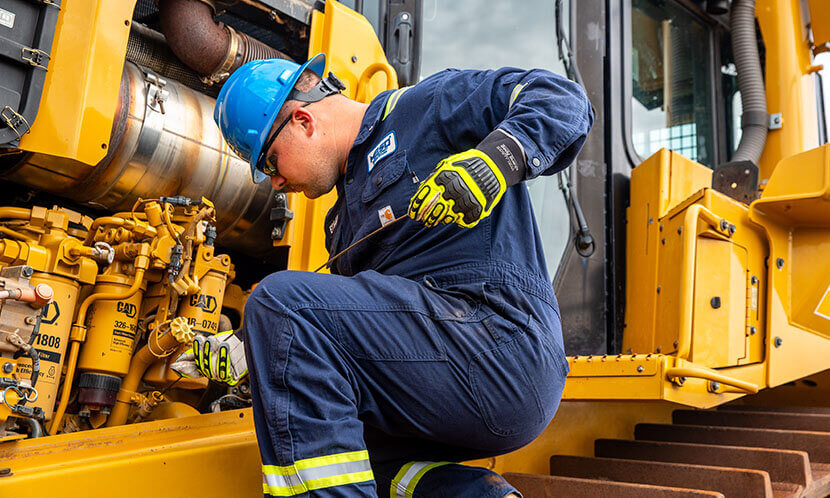
Heavy-Duty Truck Transmission Repair Considerations
Not all transmission problems require a replacement. With an early diagnosis, you can replace damaged seals, sensors, or solenoids before they become major failures.
For a semi-truck transmission repair, you can start with a thorough inspection rather than guessing the failed component. Before recommending any repairs, ask the experienced technicians to use diagnostic tools, fluid analysis and road tests to identify the cause.
If you don’t want to compromise your fleet’s uptime, mobile truck transmission repair can help you perform diagnostics and repairs on the spot. Mobile service is often more cost-effective than a major overhaul.
Besides, for your truck transmission repair, use quality components and follow the manufacturer’s repair procedures. It’ll restore the reliability of your vehicle while protecting other components.
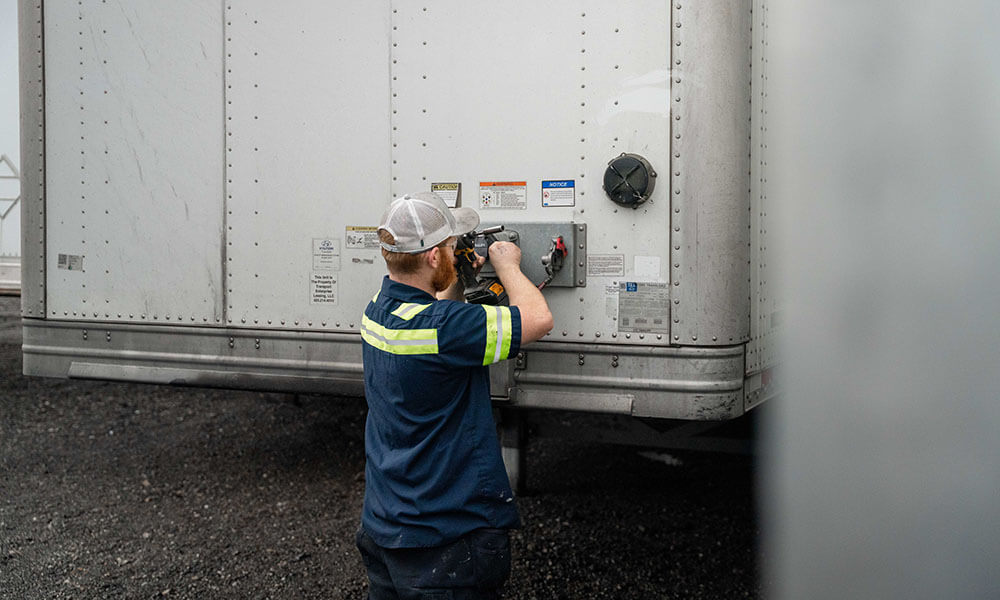
Extending Transmission Life in Commercial Fleets
Transmissions are the most expensive truck components that might need replacement or repair due to delayed maintenance. You can’t avoid normal wear, but you can control preventable problems that are often caused by neglected maintenance, excessive heat, contaminated fluid or driving after warning signs have appeared.
If you opt for Truck Preventive Maintenance by Epika Fleet, your trucks and tractors could experience fewer breakdowns, and their drivetrains can last longer. Also, it’s important to encourage your drivers to report any unusual vibrations or shifting immediately! It’s cheaper and easier to fix small problems than the major ones. Nevertheless, through mobile truck transmission repair, you can reduce towing costs as well!

Keep Your Fleet Moving with Epika Fleet
Transmission problems can cause a truck to be sidelined, increase costs, and delay deliveries. When electronic shifting issues point to a problem with control rather than mechanical failure, understanding when the Transmission Control Module needs replacement can prevent unnecessary repairs.
Epika Fleet reduces downtime for commercial fleets through truck transmission repairs, mobile service, diagnostics and preventive maintenance. Our technicians perform scheduled inspections and identify transmission problems to ensure commercial trucks stay safe on the road.
Prevent Costly Transmission Downtime
Keep your trucks operating efficiently with professional diagnostics, transmission inspections, and fleet maintenance services from Epika Fleet.
FAQs
What does a heavy-duty truck transmission do?
A heavy-duty truck transmission transfers the engine power to the drivetrain while selecting the appropriate gear ratio for different speeds, loads, or road conditions. It allows the truck to accelerate quickly, maintain its pulling power, and drive safely in a variety of driving conditions.
What types of transmissions are used in heavy-duty trucks?
The heavy-duty semi-truck transmission types are three: automatic transmissions, automated manual transmissions (AMT), or manual transmissions. Each system offers different benefits depending on the fleet operation, the driver’s experience, and the type of hauling.
What is the difference between a manual and an automatic semi-truck transmission?
A semi-truck manual transmission requires the driver to shift gears and operate the clutch manually. A semi-truck automatic transmission, or AMT, uses electronic controls to automatically shift gears.
How often should semi-truck transmission fluid be checked?
For semi-truck transmission oil and fluid, inspection intervals can vary depending on the manufacturer and operating conditions. Inspections may be required more frequently for fleets that operate under severe weather conditions or heavy loads.
What are common signs of truck transmission problems?
The most common warnings include delayed shifting and slipping gears. Other warnings are overheating, fluid leaking, burning smells, warning lights and reduced pulling force. Early detection of these symptoms can prevent further transmission damage.
Can a heavy-duty truck transmission be repaired?
Yes. Diagnose transmission problems early, and you can fix them. It’s usually more cost-effective to replace worn sensors, seals, solenoids or other components than wait until internal damage has occurred.
What causes transmission failure in commercial trucks?
Some of the most common causes are low or contaminated transmission fluid, excessive loads, worn components, neglected maintenance and continued operation after warning signs have appeared.
How can fleets extend transmission life?
Transmission life in fleets improves through preventive maintenance practices. You should also monitor heavy-duty truck transmission oil and fluid condition. Inspect cooling systems, address repairs quickly, and encourage drivers to report any unusual shifting or performance problems immediately.