
Diesel Exhaust Fluid Role in Modern Diesel Engines


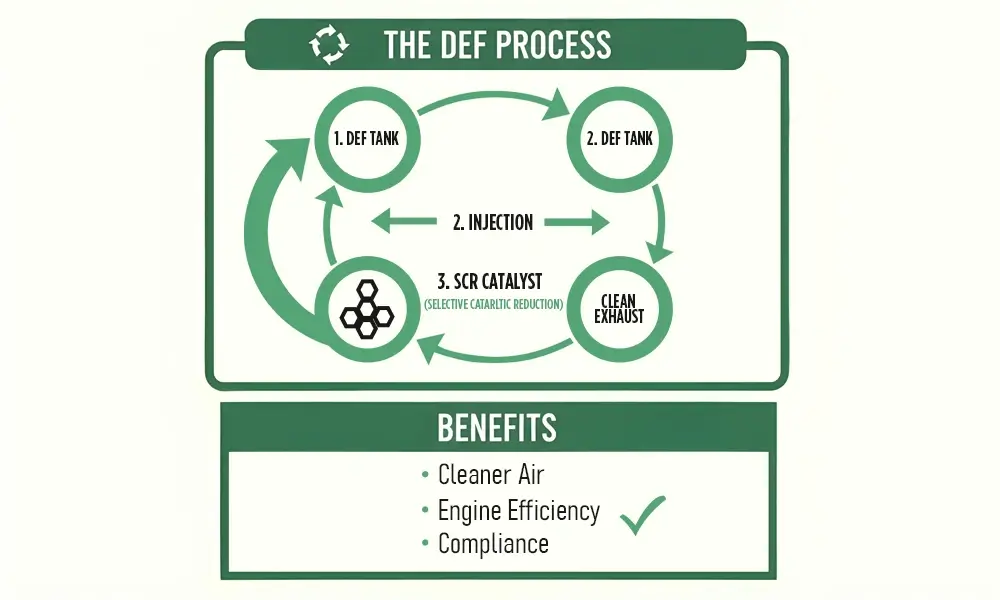
Diesel exhaust fluid (DEF) is a key part of modern diesel engines, helping them meet today’s strict emissions standards while keeping operations efficient. DEF is a transparent solution of 32.5 percent high purity urea and 67.5 percent deionized water. DEF is injected into the exhaust components of diesel engines with Selective Catalytic Reduction (SCR) systems, where it reacts with nitrogen oxides (NOx) and is converted to harmless nitrogen and water vapours. We will discuss later about the ingredients in DEF fluid in detail.
In 2010, the EPA developed emissions standards that required the use of SCR systems, which added new fluid management issues for fleet operators. The knowledge of the integration of DEF diesel exhaust fluid systems with fleet fuel efficiency strategies to optimize operational performance to the standards of the environment.

Contemporary fleet managers have to strike a balance between compliance and cost of operation, and DEF maintenance is part of successful operations. Understanding why fleet management is important helps operators value the role of DEF diesel exhaust fluid in the success of operations. Epika Fleet provides professional mobile fleet maintenance services to achieve greater reliability and compliance.

DEF Fuel Applications in Transportation and Trucking
Diesel exhaust fluid is used extensively in the transportation industry, including in long-haul freight trucking and construction vehicles and off-road heavy equipment. Diesel DEF fluid collaborates with Selective Catalytic Reduction (SCR) systems to convert NOx emissions into nitrogen and water, and comply with regulations including EPA 2010 and Euro VI standards.
Diesel DEF fluid adoption has completely changed the fleet operations, making strategic planning for DEF refueling just as important as traditional fuel planning. Even though DEF adds some cost, most operators now see the savings in fuel efficiency, fewer repairs, and better uptime outweigh those expenses.
Commercial trucking applications have shown that appropriate management of the diesel def fluid systems has a direct effect on the bottom lines of the fleet involving increased fuel efficiency and lower costs of maintenance. The technology enables engines to run at optimum combustion parameters without violating emissions. This is especially applicable in the case of fleet maintenance costs and the economics of the fleet in general.
Truck fleets use diesel exhaust fluid to stay in compliance and maximize performance. Combining the DEF systems with the modern engine management enables the use of advanced optimization strategies to maximize the reduction of emissions and fuel efficiency. Fleet operators who use extensive truck preventive maintenance programs tend to experience a substantial increase in the performance of the DEF system. The truck repair services in Epika guarantee the trucks are under the care of experts to last longer on the road and prevent expensive breakdowns.
DEF Diesel Benefits for Performance and Longevity
Diesel exhaust fluid helps in increasing the performance and life of a diesel engine through cleaner exhausts that reduce the formation of soot and other particles, which improve the overall health of the engine. The new diesel engines with well-maintained SCR systems exhibit better power delivery and torque behavior, which is especially useful in strenuous commercial use.
The performance gains are not limited to the emissions compliance and have a direct influence on the operational efficiency and the reliability of the vehicles. Cleaner combustion means less engine wear, cleaner oil, and longer component life, all of which cut repair bills and extend service intervals. This is especially valuable for fleets focused on weight reduction in fleet trucks, and the efficiency gains help lead to higher payload capacity and fuel economy.

Diesel exhaust fluid systems help to prolong maintenance and decrease the wear of the components by making the engines cleaner. The decrease in the accumulation of soot and particulate matter implies that the key engine parts will not wear out as much over time, which will translate to the extension of service time and the decrease in the frequency of maintenance. The cleaner combustion process implies less oil contamination, which may result in a longer commercial truck oil change period and a decrease in the total maintenance expenses.
The benefits of engine longevity are especially high in commercial use where the engines are subjected to harsh conditions. According to some fleet operators, engine life is increasing by a considerable number of miles when SCR systems are maintained and filled with quality diesel exhaust fluid. The thermal efficiency increases with the use of diesel def fluid also leads to decreased engine stress and increased component life.
Knowing how to balance reactive and proactive fleet maintenance can assist operators in gaining the most benefits without incurring expensive system failures. Modern vehicles have sophisticated diagnostic systems that check the performance of SCR in real-time and inform the operator of possible problems before they turn into costly ones. The preventative maintenance programs of Epika offer information and service plans to optimize the fleet operation.
DEF for Diesel Trucks and Heavy-Duty Vehicles
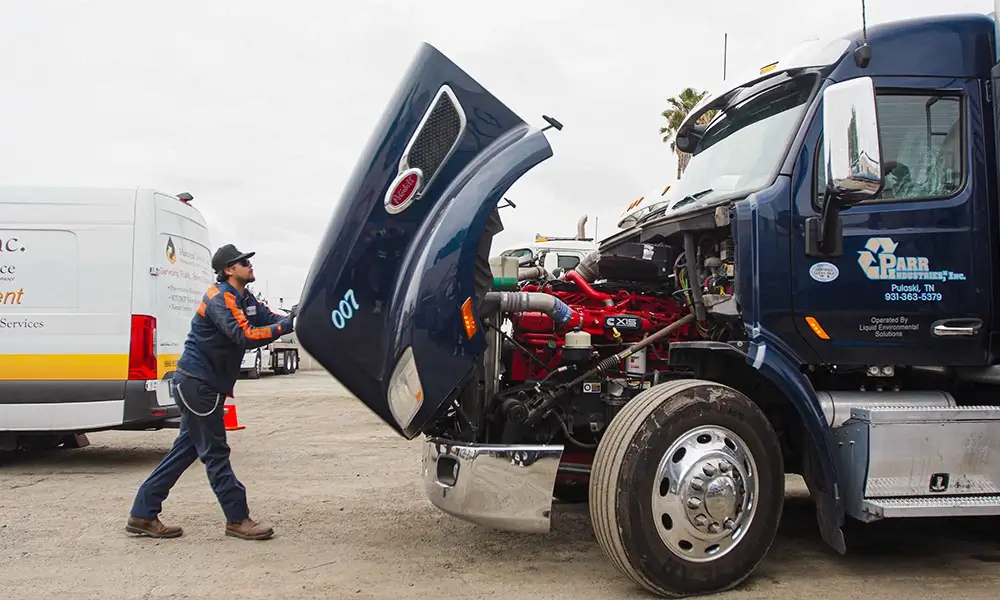
Diesel trucks are heavy and have high operation requirements, which require a well-built diesel exhaust fluid-supported SCR system capable of working under severe circumstances. Such vehicles should be able to emit less, but not at the expense of power or reliability, particularly when operating under heavy loads and long operating cycles typical of commercial trucking.
The heavy-duty equipment presents special challenges to the fleet operators because of the intense commercial trucking operations. These vehicles may operate nearly 24 hours a day in team-driving or relay configurations, covering hundreds of miles daily while hauling maximum legal loads. And for that, SCR systems should be able to work reliably under diverse operating conditions, including highway and city stop-and-go traffic.
New heavy-duty truck transmissions work with engine management systems that ensure optimum performance and emission control. This integration enables advanced control strategies to adjust the rates of DEF injection depending on the load conditions, engine temperature, and operational needs.
SCR systems with heavy loads are designed to have strong parts that can withstand vibration, high temperature, and harsh duty cycles. The size of the diesel exhaust fluid tanks in such applications is usually between 15-40 gallons with advanced heating and circulation systems to avoid freezing in cold weather. When systems fail, trucks can enter derate mode — cutting power and throwing schedules off. Preventive maintenance keeps fleets profitable and avoids those disruptions.
The extensive network of mobile technicians that Epika has established provides full-service maintenance of heavy-duty vehicles, including on-site repairs, checks to maintain the trucks in operation, and to stay profitable and adherent to the emissions regulations.
Diesel Exhaust Fluid and Its Market Demand
As global demand for Diesel Exhaust Fluid (DEF) grows due to environmental regulations and the rising use of diesel engines, supply constraints and price volatility are directly impacting fleet budgets and procurement strategies.
Recent fuel shortages and supply chain issues showed why fleets need smart diesel exhaust fluid purchasing and backup inventory to avoid costly downtime. Fleet operators have come to diversify their supply channels and have sufficient reserves in place to prevent disruption to operations.

The growing diesel exhaust fluid market has provided an opportunity to fleet service providers to improve their services. Firms such as Epika have realized the significance of the DEF system support and incorporated fluid supply, maintenance, and repairs in their service portfolio. This is indicative of the larger fleet management trends to integrate service solutions that meet a variety of operational requirements.
Fleet operators are increasingly focusing on the total cost of ownership, including fluid costs, maintenance, and potential downtime, when making decisions about vehicle specifications and service providers. The global ISO 22241 standards address quality control by ensuring consistent DEF quality worldwide.
DEF Exhaust Fluid in Truck DEF System Operations
DEF system truck system uses sensors, pumps, and control modules to accurately inject DEF into the exhaust stream, reducing emissions. The system is monitored by electronic control units to precisely calculate the necessary amount of diesel exhaust fluid and provide real-time diagnostics to prevent costly failures.
Temperature control is essential to the correct functioning, where heating systems are needed in cold climates and fluid must not be exposed to excessive heat that may result in crystallization. Contemporary systems have thermal management plans that incorporate insulated lines, heat exchangers, and temperature sensors all over the system.
Driver training is critical; knowing how to refuel, handle diesel exhaust fluid properly, and troubleshoot basic issues can save fleets thousands in repairs. Operators should know how to fuel properly, quality requirements, and simple troubleshooting. This is especially significant when a fleet has different needs or when a fleet transitions between intrastate to interstate operations.
System diagnostics has been developed to be more advanced and offers more information on performance, consumption rates and possible problems. Onboard diagnostics can identify issues like low quality of diesel exhaust fluid, system leakage, or catalyst wear, and notify operators in time and modify engine work to prevent damage to parts.
Maintenance of the def system truck may lead to warnings and low engine power (limp mode). This safety measure guarantees compliance with emissions but poses an operational problem when not well addressed. Learning how to manage fleet insurance claims involving failure of the emission system assists fleet operators in dealing with such cases.
Epika provides a wide range of services to keep vehicles in compliance with safety and emission standards, including DOT truck inspection to reduce unscheduled downtime and provide professional diagnostics and repairs.
Diesel Exhaust Fluid Ingredients for Clean Operation
The success of DEF depends on the def ingredients, 32.5% technical grade urea and 67.5% deionized water. These def ingredients strikes a balance between freezing point, handling properties and SCR system effectiveness and guarantees maximum chemical reaction efficiency in the exhaust stream.
Technical grade urea which is one of the important DEF ingredients should be of high purity and there are strict restrictions on impurities that may include biuret, aldehydes and metals that may damage SCR system components. The urea is thermally broken down in the hot exhaust to yield ammonia, which is the reducing agent in the SCR reaction and it’s a crucial component when it comes to def fluid ingredients.
When we talk about DEF fluid contents we make sure the quality of deionized water is also crucial and should not have any minerals, chlorides, and other impurities that may disrupt the SCR reactions or destroy parts. Water quality influences chemical performance and physical characteristics such as freezing point and stability over time.
Quality management is the key to performance stability and preventing expensive repairs. Fleet operators who have adopted sustainable fleet management practices discover that effective use of DEF fluid ingredients and management practices are consistent with environmental and operational objectives and safeguard costly emission control investments.
Of special concern is temperature control, with DEF freezing at about 12°F (-11°C). The modern trucks have heating features in tanks and supply lines; however, these need proper maintenance to be able to work in winter in cold climates.
Low-quality or contaminated diesel exhaust fluid can ruin expensive SCR equipment, leading to repairs worth thousands and major operational delays. Diesel fuel, engine oil, coolant and other chemicals are common contaminants that can be mixed up accidentally during handling or storage. Fleet operators should find suppliers of DEF with a good reputation and follow ISO 22241 standards and use stringent quality control measures in their operations.
Truck DEF Fluid Storage, Handling, and Best Practices
Correct storage and handling maintain the quality of diesel exhaust fluid and the functionality of the system, and it is necessary to pay much attention to environmental conditions, the prevention of contamination, and inventory management processes. DEF is to be kept in cool, dry storage, out of UV light, temperature extremes and possible contaminants that may affect the quality of fluids.
Fleet operations require the development of comprehensive procedures for DEF handling, which include procedures for receiving and inspecting shipments, correct storage procedures, dispensing procedures, and quality verification procedures. The issue of centralized versus decentralized fleet maintenance strategies is something that many fleet operators are grappling with and each provides varying benefits based on the size of a fleet and its geographic dispersion.
Fleets should plan ahead to ensure diesel exhaust fluid is always available, predicting use, factoring in routes, and preparing for seasonal spikes, such as predicting consumption on the basis of vehicle use, route planning, and seasonal fluctuations. Combination with GPS vehicle tracking systems can be used to forecast consumption patterns and optimize refueling schedules and minimize operational costs.
Drivers and maintenance training programs should incorporate proper handling procedures, prevention of contamination, and emergency system failure procedures. Knowledge of the ways in which the problems of the diesel exhaust fluid system may be a source of operational disruption assists in the creation of holistic safety and operational guidelines.
Fleet operators are encouraged to operate specialized and clean diesel exhaust fluid dispensing equipment and not to cross contaminate with other fluids. The returns of proper DEF infrastructure investment are lower failure rates, lower maintenance rates, and better operational reliability. This is significant in the consideration of evaluating commercial leases versus retail consumer leases, where the requirements of the DEF are to be considered in the total ownership.
The storage containers must be well labelled, checked frequently and changed as per the manufacturer’s recommendations. To ensure the quality of DEF over time, bulk storage systems should be cleaned, tested for quality and protected against contamination.

Future of Diesel Exhaust Fluid in Diesel Technology
The further development of diesel exhaust fluid technology is based on the advancement of formulations and SCR systems, the emphasis on the increased performance under different climatic conditions, and the maximization of chemical efficiency. Looking ahead, diesel exhaust fluid will likely integrate with autonomous fleet tools, bringing predictive maintenance and automated supply management into daily operations.
Epika Fleet is still determined to assist the fleets with recent technology changes, integrating qualified technicians and a computer-based fleet management system to assist operators to make the most of their emission control investments.
Conclusion
Modern diesel emissions control cannot be done without diesel exhaust fluid, which allows fleets to comply with environmental regulations without compromising efficiency and performance. Knowledge of the applications, properties and maintenance best practices of DEF enables fleet operators to optimize compliance and lower operating expenses.
Effective DEF management involves knowledge of how systems work, quality control measures, and the incorporation of DEF considerations into larger fleet management plans. Epika Fleet helps fleets stay compliant and profitable with expert mobile maintenance and nationwide support designed for commercial trucking realities.
Visit Epika Fleet today and find out how their solutions make your fleets run efficiently.
Frequently Asked Questions
Why is DEF referred to as DEF fuel?
DEF is referred to as DEF fuel since it is used together with diesel fuel in engines fitted with SCR to minimize emissions.
Is DEF freezable in low temperatures?
Yes, DEF does freeze at 12°F -11°C, but new trucks include heating coils to avoid freezing.
What is the storage life of DEF?
DEF has a maximum of 12 months of storage in cool and dry conditions.
Can DEF fluid be harmful when it gets on the skin?
DEF is not toxic and is harmless to handle, but can lead to skin irritation when in prolonged contact. While DEF does not pose a health hazard to people, it is highly corrosive to certain metals and sensitive components if spilled or improperly stored.
What are the impacts of DEF consumption on operating costs?
DEF consumption is normally 2-3 percent of diesel fuel consumption, which is a small operating cost.
What will happen in case I run out of DEF whilst driving?
Defueling the engine results in the engine going into limp mode with less power until it is refueled.