
Autonomous Fleet Management

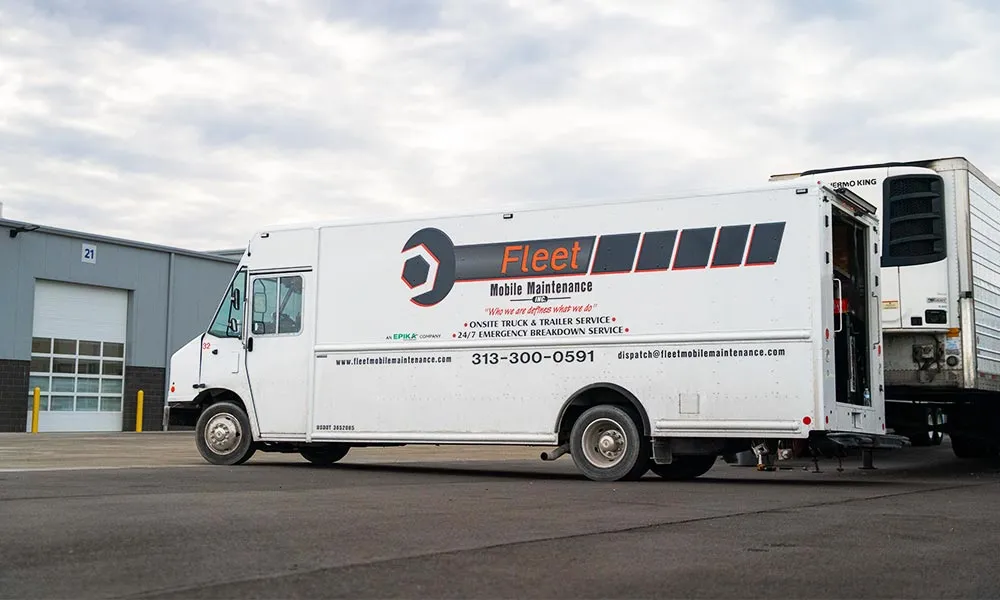
Let’s suppose you have got trucks waiting on the loading docks, delivery windows are shrinking and overhead skyrocketing, it’s the right time to talk automation. The autonomous fleet and transportation sector is undergoing rapid change creating a significant impact on autonomous fleet management. As AI and fleet tracking systems develop, fleet operators are increasingly turning to driverless technology to amplify operational efficiency. Companies are adopting automated solutions to save energy and time, as well as to stay ahead of the curve by reducing driver shortages and narrowing delivery timings.
With the increased accessibility of modern technology, fleet owners need to familiarize themselves with how fleet management trends are changing and what solutions work, the benefits they offer, and the steps they should take. This blog breaks it down, no fluff — just what you need to know to make autonomous fleet management decisions in 2024.
What is Autonomous Fleet Management?
Autonomous fleet management is the control, management, and coordination of a fleet of autonomous commercial vehicles. These trucks utilize sophisticated sensors, GPS, and AI-based software that enable them to drive remotely without requiring staff; sounds amazing, right? Autonomous vehicles (AVs) are tracked in real time by a centralized management system that ensures efficient routing, compliance, and safety.
It’s a great solution for fleet management autonomous vehicles that merges the standard telematics solutions with automation based on AI. The connected data and cloud-based platforms enable fleet operators to remotely dispatch, track, and manage autonomous fleet trucks, providing complete control over routes and performance. Think of it like having a 24/7 operations assistant who never calls in sick or goes to leave.
The global market for autonomous fleet management is booming at a speedy pace, projected to jump from USD 343.26B in 2025 to $1,024.05B by 2034. AI integration, autonomous technologies, and increased demand are pushing this growth. This is not just about fancy tech; it’s about running leaner, faster, and safer.
Advantages of Autonomous Fleet Management
Autonomous fleet management technology provides a range of benefits to logistics companies, particularly those facing the challenges of rising fuel costs, stringent delivery schedules, and high driver turnover rates. Automation will enable fleet managers to make quicker, data-driven decisions and minimize risks in their operations.
In addition to enhancing efficiency, automation of fleet management trends also improves cost management and sustainable operations. Companies that implement the use of fleet management autonomous vehicles will be able to optimize their resources, reduce labor costs, and limit fuel wastage, which puts them at a competitive advantage in the market, which is becoming more and more demanding. Proactive corporations are also investing in sustainable fleet management programs to align with their environmental objectives. One of the fleet managers shares this story:
According to the McKinsey & Company Analysis on the Future of Truck Freight Transportation, Autonomous vehicles could cut the Total Cost of Ownership (TCO) by as much as 42% per mile on long-haul routes. This saving more than offsets the higher initial cost of the technology kits.
Operational Efficiency Improvement
Operational efficiency is one of the most essential benefits of autonomous fleet management. Predictive analytics helps optimize routes in real time, beat traffic, and reduce idle times for autonomous trucks. This results in quicker deliveries and improved asset use. Moreover, automation eliminates the probability of human error during dispatching, scheduling, and route planning, which would cause expensive delays and common fleet accidents. These vehicles increase general safety and performance by having consistent driving patterns.

Reduction in Labor Costing
A significant portion of fleet operating budgets is allocated to driver wages, benefits, and overtime expenses. Fleet management autonomous vehicles can be adopted to cut your labor bills fast. Autonomous trucks handle dispatching and long hauls without burning your budget. Although there will be a few jobs left to be supervised and maintained, a transition to autonomous vehicles will enable companies to operate with fewer staff. This change will not only reduce labor costs but also address the current driver shortage, ensuring stable capacity without the need for ongoing recruitment. It also streamlines paper-intensive processes, such as handling a fleet insurance claim, making operations easier and more predictable.
Good for the Environment
As sustainability gains importance in contemporary fleet management, autonomous fleet management is a viable method for reducing carbon emissions. Autonomous trucks also have intelligent route optimization, uniform driving speeds, and regenerative braking systems to save fuel. These fleets also contribute to greener operations by eliminating inefficient driving habits, such as unnecessary idling and harsh braking. Investments in electric or hybrid autonomous vehicles also increase the level of commitment to sustainable fleet management activities, as well as keeping pace with the bigger and better-equipped competitors.
Autonomous Fleet Solutions Guide:
Before getting into Autonomous fleet systems, make sure what wastes your time and what really works. Despite the apparent pros, implementation must be considered in view of operational requirements, infrastructure, and regulatory considerations. These are the actionable steps that businesses can take in 2024 when thinking of autonomous fleet solutions.
1. Operation Readiness
Begin by assessing your operations to determine where autonomous fleet management can add the most value. Take into account aspects such as consistency of routes, delivery schedules of trucks, freight sizes & types, and regulatory environments. High volume, long haul, and predictable routes are the best-suited operations for autonomous technology. Conduct a risk-to-reward analysis to determine the compatibility of the automation system with your company’s financial objectives. In addition, revise your current ongoing commercial leases to provide flexibility for converting some of your fleets to autonomous status. Review your lanes. Are you running the same routes every day with predictable freight sizes? That’s a green light for automation and a fast way to boost uptime for sure.

2. Compatible Technologies Adoption
To include an autonomous vehicle fleet, it is crucial to invest in supporting technological advancements such as cloud-based telematics systems, real-time tracking, and data-dependent platforms. These tools are the way to go with the performance of autonomous vehicle fleets, ensure compliance, and maintain safety. Select solutions that can be integrated into current systems, are easily upgradable, and have central control over both human and autonomous vehicles.
Idle time dropped 30% after our first month with AV routing solutions. The UI is friendly and helpful, ensuring that my fleet reached its destinations accurately and on time. I recommend it as soon as possible to my fleet services peers.
-William Jack, Premier Fleet LLC
3. Compliance with Regulations
Learn state and federal laws on driverless vehicle operations before getting into autonomous vehicles. The laws governing autonomous vehicles are regional and local, which affect the geographical area and the way your fleet management autonomous vehicles can be used. Ensure that your team is up to date on licensing, insurance requirements, and operational restrictions to prevent legal issues. These changing guidelines can be checked by collaborating with industry groups. Here, you can check our detailed blog on fleet insurance claims.

4. Training in New Positions
While automation will decrease the demand for traditional truck drivers, new job opportunities will emerge in areas such as fleet monitoring, maintenance, and data analysis. Train the current employees to fill these new jobs. The technicians will be required to work on calibrating these systems, performing software updates, and conducting diagnostics on the autonomous vehicle fleets. The dispatchers and managers will be reassigned to roles focused on data-driven decision making. According to a recent statistic, driver violations have been reduced by using smart dashcams and other AI tools for fleet management.
5. Collaboration with Trusted Vendors
Collaborate with established and trusted vendors in the autonomous fleet management solution. Seek providers that have scalable systems and try and test them to fit your operations. Give preference to those that have good track records, good customer support, and safety features built in. Review case studies and testimonials to ensure their technology has delivered actual ROI to fleets like yours. Partner with industry associations to navigate the red tape, not to get stuck in it. Discover how Epika Fleet collaborates with fleets to bring tech-savvy solutions to real-life trucking companies. In a recent survey on fleet management statistics from 2023 to 2024 showed:
Vehicle safety and security have been identified as the top priority component by 62% of the fleet and autonomous vehicle managers in the United States; this emphasizes the importance of driver well-being and accidents. (FMCSA)
Conclusion
As competition heats up and the cost of operations increases, autonomous fleet management is a strategic opportunity to consider by progressive fleets. Automation is transforming the future of logistics, optimizing efficiency, reducing labor costs, and minimizing environmental impact. Fleet managers can easily transition to autonomous fleets of vehicles by evaluating their operational requirements, investing in the appropriate technologies, and staying updated with changes in regulations. If truck running costs are rising a lot and truck fleets are idle, it’s the right time to take action. Start early, track results, and scale faster.
FAQs
What is autonomous fleet management?
Autonomous fleet management refers to the use of artificial intelligence, sensors, and automation technology to operate, monitor, and optimize vehicle fleets with minimal human intervention. It enhances safety, efficiency, and productivity.
What are the main benefits of autonomous fleet management?
Key benefits include reduced human error, lower operational costs, optimized routes, improved fuel efficiency, predictive maintenance, and enhanced safety compliance.
Are autonomous fleets completely driverless?
Not always. Many current autonomous fleet systems are semi-automated, combining driver assistance technologies with centralized fleet management software. Fully driverless fleets are still in testing phases in most regions.
How does autonomous fleet management improve safety?
By using real-time monitoring, predictive alerts, and automated responses, these systems reduce risks related to fatigue, speeding, and mechanical failures, keeping both drivers and assets safer.
Can small or mid-sized fleets benefit from autonomous fleet management?
Yes. Even smaller fleets can implement AI-based route optimization, driver monitoring, and maintenance automation tools to cut costs and improve efficiency without major investments.
What are the challenges of adopting autonomous fleet management?
Common challenges include high initial setup costs, regulatory hurdles, cybersecurity risks, and the need for employee training and technology integration.