
Fleet Compliance

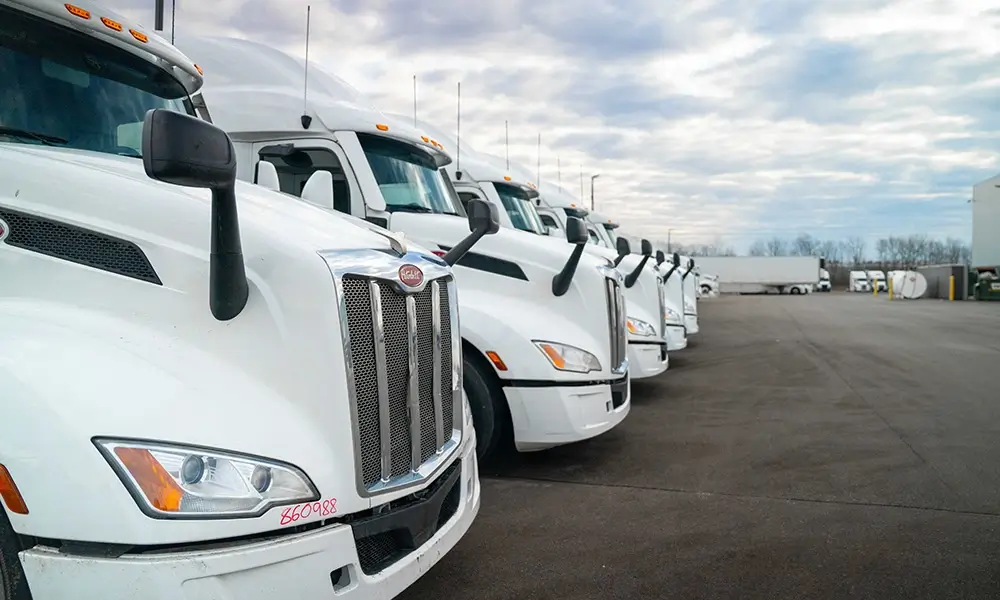
In the regulated environment of the modern trucking industry, fleet compliance is the uncompromising basis of legal and lucrative trucking business. The average DOT violation is currently at $1,314 per violation (FMCSA 2024), and the maximum penalty is $25,000, so the high standards are a must to keep a business afloat. This guide provides practical DOT fleet compliance solutions as well as discusses what is an ELD is and its compliance, IFTA reporting and inspection procedures. Being aware of these requirements safeguards your business as it creates sustainable operational models to grow in the long term despite the complexity of regulations.
Intelligent platforms used in modern fleet compliance management solutions automate most of the regulatory work and change operational approaches.
The OOS rate, which indicates the overall roadside inspection, is about 19.6% in 2023. That means roughly inspections of around 80.4% did not result in an out-of-service order. This industry average implies that gaining 90%+ pass rates is definitely achievable for highly compliant leaders (FMCSA, 2024).
These fleet safety compliance systems optimize regulatory compliance into a competitive advantage rather than a cost burden and allow reallocation of resources to revenue generation and quantifiable risk reduction.
What is Fleet Compliance?
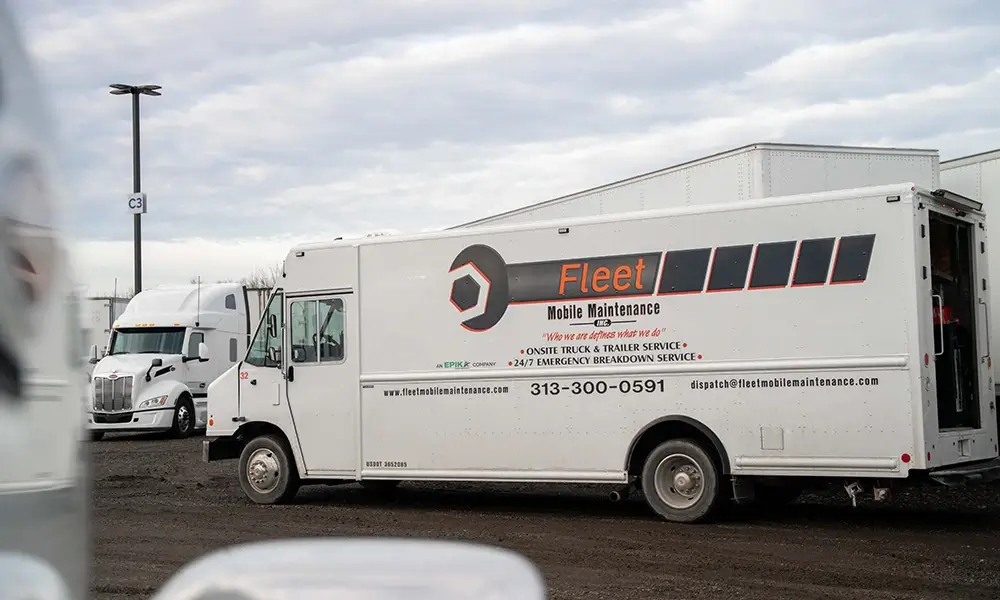
Fleet compliance is the total of legal mandates that regulate the operation of commercial vehicles in three pillars, which are vehicle inspection, driver certifications and operational reporting. Failure to comply with DOT fleet management standards and commercial fleet inspections can lead to an audit that costs $18,000+, loss of contracts, and insurance premium increases that destroy profitability, especially among small-to-midsized fleets. Compliance is financial self-protection in a business where regulatory lapse leads to disastrous outcomes that need effective mitigation measures and ongoing surveillance.
The current compliance fleet requirements entail 37+ regulatory checkpoints as compared to 15 in 2010 (FMCSA 2023). The strategic fleet compliance management helps avoid violations and optimize maintenance cycles, turning the adherence into a profit generator rather than a preventive maintenance program burden. The strategy will generate quantifiable efficiency improvements in the form of reduced downtime, better asset utilization, and enhanced fleet safety compliance that will all improve bottom-line performance under changing regulatory pressures.
Why Do I Need a Vehicle Fleet Compliance System?
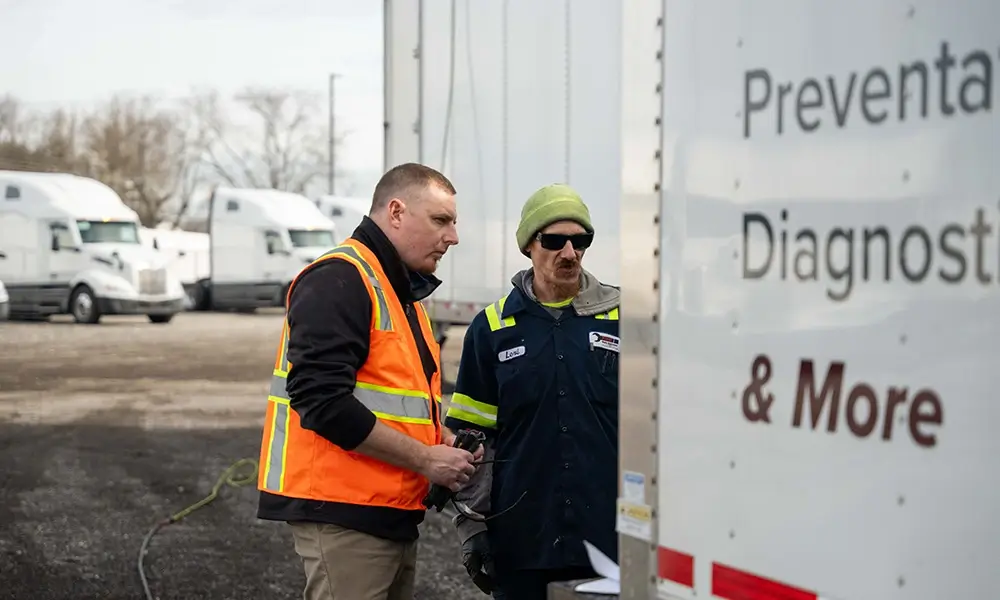
Regulatory complexity breaks manual fleet compliance, particularly as FMCSA rules are set to change three times in 2023. A 10-truck operation has ~2,300 documents a year, which causes unavoidable spreadsheets tracking gaps. Such gaps provoke violations, audits, and profit-destroying penalties that put the continuity of businesses at risk. These risks are removed by purpose-built technological solutions that include specialized transportation regulatory management that is designed to address real-world logistics challenges and scalability.
Fleet compliance management software saves the company millions of dollars in fines by avoiding disastrous $18,000 fines due to expired certificates.
Implementation of audit automation software turns compliance into a fleet telematics so that resources can be redirected to strategic growth opportunities instead of administrative paperwork, and agile business models can be created in the current logistics environment. This software also aids in fleet safety compliance.

Fleet Compliance Regulations
The four areas that are governed by DOT fleet compliance include vehicle condition (tire depth/brake functioning), driver qualifications (CDLs / medical certs), operations (HOS/drug testing) and recordkeeping. States such as California have programs like TRUCRS that impose additional compliance layers that need special tracking. These multidimensional obligations are fundamental in the development of strategies that are effective in meeting federal standards and jurisdictional differences in the territories of operation to maintain dot fleet management.
Fines increase up to $25,000 (falsified logs) to $2,500 (missing DVIR). The consequences of violation go beyond fines to insurance increases, contract loss due to damaged CSA scores, and operational interruption.
The ELD Final Rule aims to reduce the overall paperwork for motor vehicles and drivers, directly discussing the errors and inefficiencies in procedures. Furthermore, the (NRII) rule states that it eliminates paper records, which reduces document fraud (FMCSA).
Systematic processes are the key to protecting against these multidimensional threats through proactive maintenance monitoring.
Requisite Records
Keep five important documentation types:
- Driver files (3-year retention): CDLs, medical certificates, training records
- Truck Maintenance (1+ year): Service invoices, parts receipts, service records
- HOS records (6-month retention): ELD records with supporting documents
- Drug/alcohol tests (5-year archive): random to pre-employment
- Fleet Accident reports (3-year retention): DOT required reports
Epika digital hub auto-archives records with configurable retention rules and expiry notifications, removing the errors of manual tracking of records during audits. Retrieval on demand turns a messy search into an efficient process and produces auditable trails. End-to-end digital histories show regulatory commitment and save administrative burden, as reported by users.
Inspection Requirements
DOT requires three protocols:
- All commercial vehicles are to be inspected annually
- Pre-trip DVIRs that include 37+ safety checkpoints
- Reporting of defects after the trip
The critical failure points include brake adjustment limits, lighting visibility (100+ ft) and cargo securement. Unsuccessful DOT inspections cost $8,000+ of downtime and CSA damage. The digital checklists provided by Epika auto-flag such problems as worn brake pads before the violation, which decreases failures by a large margin. Geofencing will make sure to prepare commercial fleet inspections are done at the right place, and automated reminders will not allow oversights.
How to Select the Best Fleet Compliance Management System
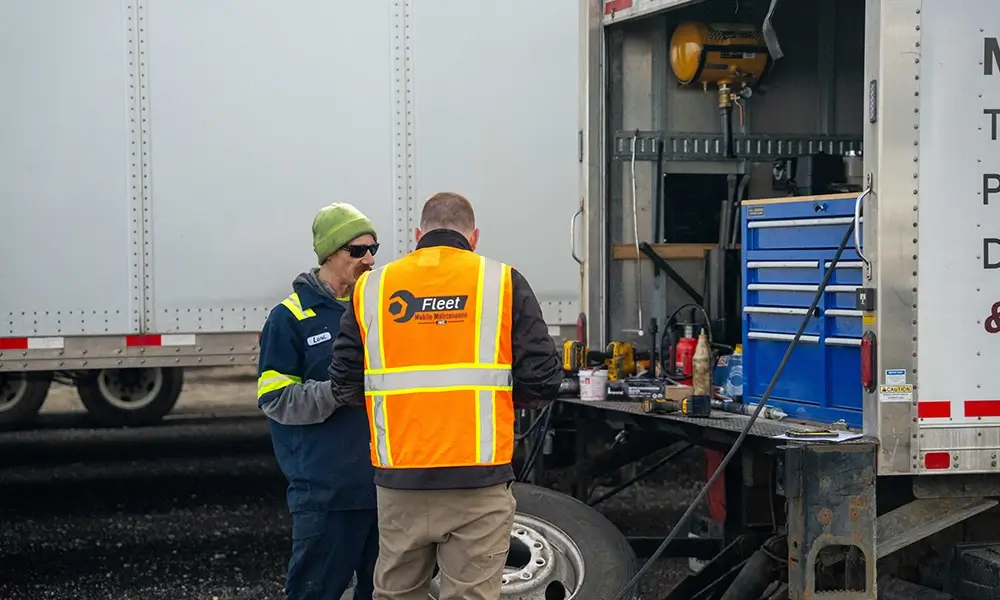
To choose the best fleet compliance management software, it is necessary to align the solutions with the DNA of your operations, including fleet composition, territories, and the available infrastructure. Focus on platforms that fit into existing workflows as opposed to disruptive redesigns. Ensure real scalability of 5-50+ assets without reimplementation cost. Concentrate on pain-specific functionality as opposed to irrelevant enterprise features. Carry out vendor reviews with reference checks of similar-sized fleets to make sure of real-world applicability and proven success measures in similar operational conditions.
- Real-time expiration intelligence: Automated notifications on licenses/certs 30/15/3-days prior to expiry and escalation procedures. Integration of the DMV database avoids fraudulent documentation by providing immediate verification and safeguards against lapses in certification during DOT inspection. Multi-channel alerts make sure that critical renewals do not go unnoticed.
- Dynamic regulation library: FMCSA and IFTA state rules are auto-updated and built-in workflows. Active flagging of all pertinent changes with simple language explanation and implementation checklists. Good-faith compliance is tracked through historical tracking of audits.
- Mobile DVIR features: Photo and document capture, GPS-stamped digital checklists, and field-enforced mandates. Templates that can be customized to the type of vehicle and offline capabilities make it compliant in connectivity-challenged regions.
- Single-platform management: Native ELD and HOS integration that removes redundant data entry. Live HOS visibility and automated violation warnings of impending limits help in avoiding compliance penalties.
- Audit-ready reporting: Bundle with one-click, timestamped, regulator-friendly documentation. Rapid retrieval is made possible by permanent audit trails. State requirements are met with customizable templates that do not require reformatting.

10 Fleet Compliance Management Best Practices
Adopting these DOT fleet compliance measures is the difference between profitable fleets and those that are sinking into infractions. They are refined through 90%+ inspection pass rates operations and are aimed at the root causes of $8,000 fines (FMCSA). Both of them contain implementation blueprints, tested metrics, and Epika integration strategies. Begin with digitization and training to get rid of paperwork mistakes. The systematic implementation increases Fleet Telematics, driver retention, and customer confidence and guarantees constant adaptation to regulations.
Digitize All Records: FMCSA’s compliance reviews frequently identify widespread violations related to driver qualification and recordkeeping deficiencies (FMCSA). Migration to the encrypted cloud storage with role-based access that guarantees 24/7 availability. Scan the legacy paperwork using the mobile scanning (3 seconds/document) of Epika. Digital archives reduce the time it takes to retrieve records by 47 minutes to 23 seconds, which is essential when DOT inspections and audits are unexpected. Keep version histories that demonstrate the integrity of documents. Institute automated retention policies that safely destroy expired documents, but preserve audit trails of destruction activities to prove compliance with recordkeeping requirements over the lifecycles of documents.
Perform Monthly Driver Training: Carry out 45-minute training on DVIR standards and defect reporting.
Aim at reducing 83% of the violations caused by human error (FMCSA Audit, 2023).
Add actual violation examples in your fleet. The training modules of Epika auto-document participation create audit-proof records and decrease violations within 90 days. Create scenario-based training on complicated scenarios, such as HOS exceptions at the border crossings. The effectiveness of training should be monitored using the lower violation rates per driver.
Implement Automated Pre-Trip Tools: Photo-proof requirement digital checklists reduce the risk of violations by 63% (ATRI). There are mandatory fields that guarantee full completion before dispatch. Set up the templates of Epika to emphasize high-risk items: brake measurements, tire depth, and load securement. Geofenced triggers auto-prompt inspection as vehicles enter maintenance facilities. Combine defect reporting with maintenance processes to make them a priority. Automate the rejection of incomplete commercial fleet inspections and escalation procedures for drivers who continuously provide poor reports.
Centralized Document Management: Eliminate the use of multiple spreadsheets and use a single compliance fleet dashboard. Put in place color-coded expiry trackers that do not allow lapses in medical certificates. The managers and drivers are alerted by automated reminders after every 30 days. Role-based permissions allow mechanics to make changes to repairs and prevent access to financial information. Automatically capture repair documentation by integrating document management with vendor portals. Put in place automated quality controls on documents uploaded to the system to make sure that they are legible and complete before they are accepted into the system.
Conduct Bi-Annual Mock Audits: Train with the FMCSA official checklist. Mock up document requests of 18 popular DOT items. Time your team’s response to aim for less than 15 minutes per record. This minimizes panic errors by 74% and makes staff familiar with evidence protocols (MDPI). The audit mode simplifies the process for Epika. Implement surprise audit factors by ensuring that external consultants carry out audits in an unannounced manner. Report all the findings in the corrective action plans that will show continuous improvement to the regulators.
Align PM to Compliance Calendars: Connect truck maintenance schedules to regulatory deadlines. Pre-inspection on brake adjustments to prevent a violation of $7,500. Epika should be set up to auto-flag PMs that impact compliance: annual inspections, brake certifications, and emissions testing. Mechanics get work orders that have DOT fields. Put in place automated service reminders that consider both fleet mileage time-based and upcoming compliance deadlines. The history of maintenance should automatically capture compliance-related measurements, such as brake stroke lengths, to easily retrieve the audit.
Introduce Driver Scorecards: DVIR completion rates (goal 98%+), violation history, training compliance (FMCSA). Put up leaderboards in driver lounges. Link safety bonuses to performance levels on a quarterly basis. The algorithm of Epika automatically updates scores according to roadside inspection. Design individual coaching plans for drivers who are below the compliance levels. The positive reinforcement of perfect inspection records should be included in the scorecards with the financial incentives and recognition programs.
Establish Regulation Watchlists: Designate personnel to track FMCSA/state regulatory changes. Sign up for CVSA email notifications. Keep change logs with effective dates and action items. Have regular quarterly meetings on the impact of regulation on workflows. Establish generic implementation checklists of new regulations on training requirements and documentation revision. Assign compliance ambassadors within every department to spread regulatory changes to their departments.
Vendor Compliance: Mandate third-party mechanics to work with your digital system. Offer tablets to record brake measurements and receipts of parts. Automatically reject invoices that do not have the DOT-required information. Put truck maintenance evidence in one central location, no matter where the service is. Audit vendors regularly to make sure that they meet documentation standards. Establish preferred vendor programs where performance in compliance is a factor in contracting and service allocations on the basis of documentation compliance.
Automate IFTA Reporting: Use fuel card data with GPS mileage records. Eradicate manual errors that cause 72% of IFTA penalties. The system that Epika has auto-calculates jurisdiction miles/tax liabilities and produces audit-ready reports with fuel receipt images. Quarterly filing is reduced to 45 minutes instead of 8 hours. Introduce exception-based management where the system identifies anomalies in fleet mileage or fuel purchase that need to be investigated instead of the manual checking of each transaction. Keep historical trend analysis to detect any abnormal pattern that may show a possible compliance problem.

Benefits of Using Fleet Management Software to Maintain Compliance
The five key processes that are automated by fleets’ compliance software are ELD logging saves 5+ hrs/week (FMCSA), IFTA calculations, 72% error reduction (IFTA), inspection reminders reduced to 89% (FTGPS), driver file tracking, and audit bundling (10-minute reports). This allows them to actively manage using risk-focused dashboards, leaving the leadership to focus on profit-making and not paperwork. Violations are avoided by operational visibility.
For a 25-truck operation, this alone would translate to $20,225 in annual savings in paperwork reduction directly related to HOS compliance (FMCSA Final Rule). The combination of alerts, documentation, and analytics makes dot fleet management invaluable, and usually pays itself off within a few months, and lowers audit anxiety. Customer retention and high-value contract opportunities are increased by reliability through violation avoidance.
FAQ
How do I see which compliance regulations apply to my fleet?
Consider the FMCSA Regulatory Tool or compliance fleet software filtering by vehicle type, states and cargo. Such solutions as Epika auto-configure rules as part of the onboarding process and are continuously updated to remove any guesswork regarding jurisdiction-specific requirements, such as hazmat or refrigerated cargo requirements.
How often do I need to conduct DOT inspections?
Federal DOT fleet compliance requires inspections to be done annually. The pre-trip DVIRs must be done before every dispatch, and post-trip defect reports. (FMCSA 396.17) Demands post-major fleet accident inspections. Digital systems guarantee documentation and auto-schedule by utilization and addressing corrosion risks.
What records must I keep for DOT compliance?
To ensure compliance, you should have Driver and Accident records for 3 years, Drug Test results for 5 years, Maintenance logs for at least 1 year, and HOS records for 6 months. All records are managed digitally with automatic retention and destruction and sensitive data is redacted before any audit.
Can fleet management software help with DOT audits?
Yes. Modern fleet compliance platforms automatically create well-organized, regulator-ready reports. With Epika, you no longer need to spend over 40 hours preparing documents. Every action is tracked with a permanent audit trail and documented corrections that shows your commitment to compliance.
Conclusion
Your main protection against the $8,000 fines and the tarnished reputation is the fleet compliance. Such systems as Epika make it a competitive advantage and bring ROI in 6 months, and reduce paperwork. Apply the ten fleet compliance management practices, beginning with digitization and training, to attain 90% inspection pass rates (FMCSA).
Start with our compliance health check: In 15 minutes, we will define your top three risks and provide you with a customized roadmap. Ongoing investment will lower insurance rates, increase CSA scores, and open premium contracts that require demonstrated safety records and compliance excellence will be your competitive advantage.