
DOT Inspection Checklist: Levels, Requirements & Checkpoints

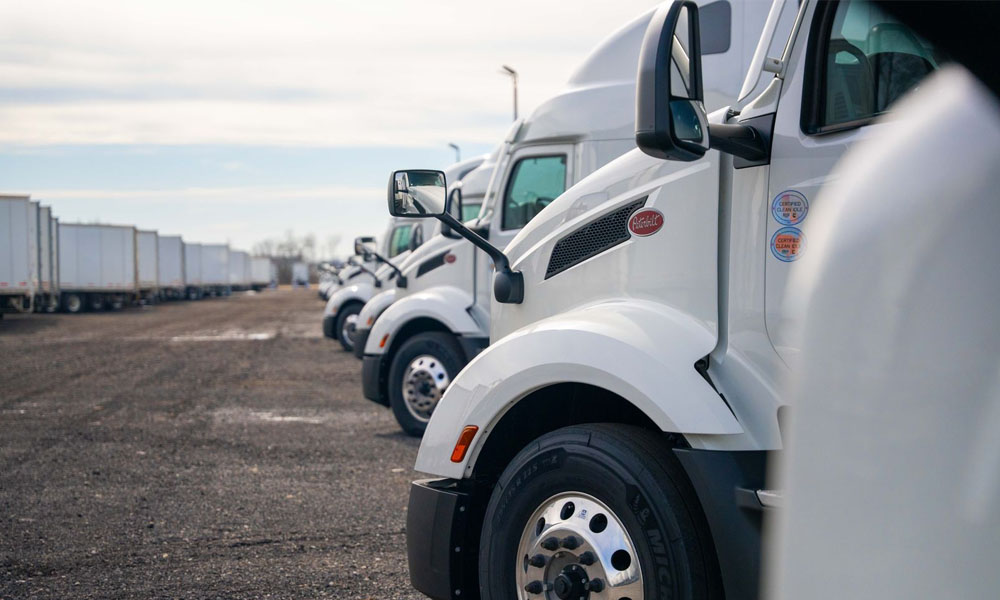
A failed inspection can quickly turn into missed loads. That is why a DOT inspection checklist is more than just paperwork. The checklist gives drivers and mechanics a consistent way to catch the problem before the truck leaves the yard. A reliable inspection process will help you minimize any unexpected downtime, keep your equipment operational, and be proactive rather than reactive about maintenance.
DOT Inspection Checklist
Inspection prep shouldn’t depend on which driver or technician happens to be on shift. Every fleet manager wants the same process used every time. A DOT Inspection Checklist provides a consistent starting point for examining brakes, tires, lights, steering, suspension, coupler devices, load, and driver paperwork.
A DOT truck inspection checklist can also make communication easier between the driver and the mechanic. For example, if a driver finds a leaking tire during the pre-trip inspection, the driver should report it so the mechanic can fix the problem before the truck leaves for the cargo delivery.
On the other hand, a DOT commercial vehicle inspection checklist must be regarded as a preparatory tool and maintenance checklist. It does not replace official inspection procedures, the applicable Federal Motor Carrier Safety Regulations, or state and jurisdiction-specific requirements.
Essential DOT Checkpoints
The exact scope of a roadside inspection depends on the inspection level, vehicle, operation, and applicable requirements. Common DOT checkpoints include:
- Brakes and brake connections
- Tires, wheels, and rims
- Lights and reflectors
- Steering components
- Suspension components
- Coupling devices
- Frame
- Cargo securement
- Emergency equipment
- Windshield and wipers
- Fuel and exhaust systems
- Required records and driver documents
You wouldn’t save these for inspection day. They belong in the regular maintenance process.
For instance, when a driver informs you that trailer is pulling differently, brakes are not working properly, you would want the trailer checked while still in the yard, instead of waiting for a roadside inspection.
DOT Inspection Levels 1-8
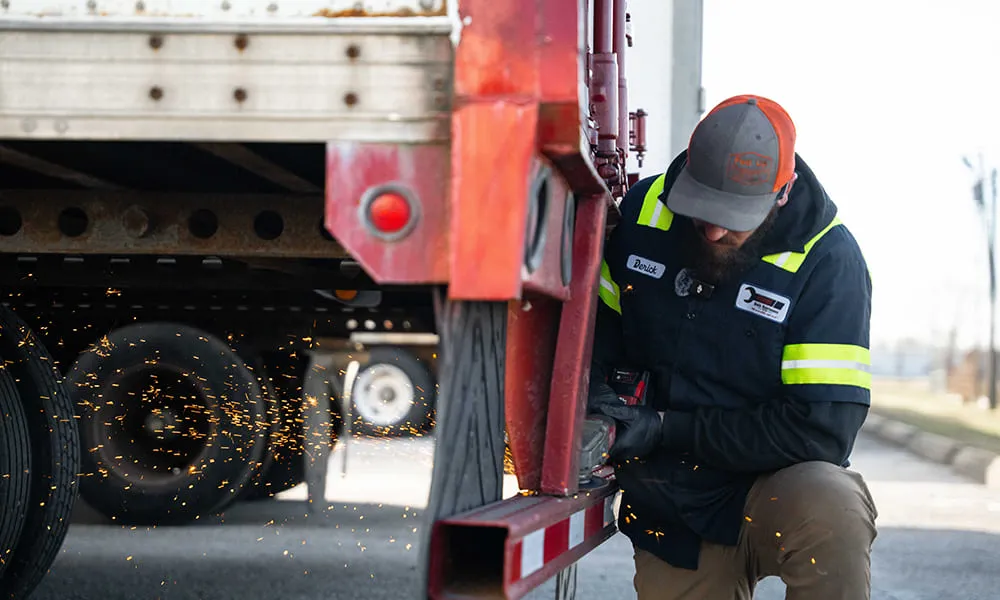
Not every roadside inspection covers the same items. The DOT inspection levels range from broad driver-and-vehicle inspections to inspections focused on a specific concern or specialized operation. CVSA currently recognizes eight levels, including Level VIII electronic inspections.
| Levels | Inspection Types | Main Focus |
|---|---|---|
| Level 1 | North American Standard | Driver + vehicle |
| Level 2 | Walk-Around | Driver + vehicle items accessible without going underneath |
| Level 3 | Driver/Credential | Driver and documentation |
| Level 4 | Special Inspection | Specific item or safety concern |
| Level 5 | Vehicle-Only | Vehicle without driver |
| Level 6 | Enhanced NAS | Radioactive materials |
| Level 7 | Jurisdictional | Jurisdiction-specific requirements |
| Level 8 | Electronic | Electronic/in-motion compliance inspection |
The practical takeaway for a fleet operator is simple: you cannot assume that a truck is ready just because the driver knows how to handle a basic roadside check. The DOT inspection levels can focus on different parts of the operation.
Level 1 DOT Inspection
This is the most detailed standard roadside inspection. FMCSA describes it as a full inspection covering both the driver and vehicle with 37-step inspection procedure.
A DOT Level 1 inspection checklist covers both sides of the operation:
Driver Documentation Checklist
- Commercial Driver’s License (CDL): Proper and valid license corresponding to the class of the vehicle.
- Medical Examiner’s Certificate: Current physical qualification card.
- Hours-of-Service (HOS) / ELD: Accurate log of the current day along with 7 to 8 days back.
- Others: Skill Performance Evaluation (if available), documents for handling hazardous materials, and inspection of previous vehicles.
- Driver Fitness: Observing the use of seatbelt, drowsiness, and any signs of alcohol/drug abuse.
Vehicle Exterior & Mechanical Checklist
- Brakes: Inspection of brake adjustment, tubing, lines for audible leakage, pads, and drums.
- Lights and Reflectors: Checking all headlights, tail lights, indicators, and brake lights.
- Tires and Wheels: Inspecting tire treads, tire pressure, wheel rims, and wheel fasteners.
- Steering and Suspension: Inspecting the steering system for any loose or damaged parts.
- Fifth Wheel Coupling Devices: Inspecting the fifth wheel, safety chains, and hitch connections.
- Fuel and Exhaust System: Inspection for fuel line or exhaust leakage and any damage.
- Cargo Securement: Inspecting secure tie-downs, blocked cargo, and webbings.
- Safety Devices: Checking fire extinguisher and warning triangles
Level 2 DOT Inspection
A Level 2 inspection is a walk-around inspection. The list consists of driver and vehicle components that may be inspected without needing to lift the vehicle up.
A DOT Level 2 inspection checklist is helpful in training drivers because it provides information about what may be detected during an exterior check.
Level 3 DOT Inspection
A Level 3 inspection focuses on the driver and driver-related compliance information rather than a complete vehicle inspection. That can include credentials, records of duty status, hours of service, seat belt use, and other applicable driver requirements.
A DOT Level 3 inspection checklist should therefore focus on documentation and driver readiness.
Level 4 DOT Inspection
Level 5 DOT Inspection
A Level 5 inspection is a vehicle-only inspection. It covers vehicle inspection items without requiring the driver to be present. For fleet managers, this is another reason to keep equipment inspection-ready even when a driver is not standing beside the truck. The maintenance condition of the equipment still matters.
Level 6 DOT Inspection
Level 6 is an enhanced inspection performed on specific types of radioactive material shipments, which include transuranic waste and highway route-controlled radioactive material. It adds radiological requirements and other enhancements to the North American Standard Level 1 inspection.
Level 7 DOT Inspection
Level 7 is a non-federally standardized check mandated by individual states or local jurisdictions for specialized transport, such as school buses, limousines, or municipal vehicles.
Level 8 DOT Inspection
Level 8 is different from the traditional roadside inspection process. It is an electronic inspection concept in which compliance information can be collected wirelessly while a commercial motor vehicle is moving. The FMCSA is presently testing this technology through an operational test program. The current operational test is designed to evaluate how the technology could work and whether broader adoption makes sense.
DOT Pre-Trip Inspection Checklist
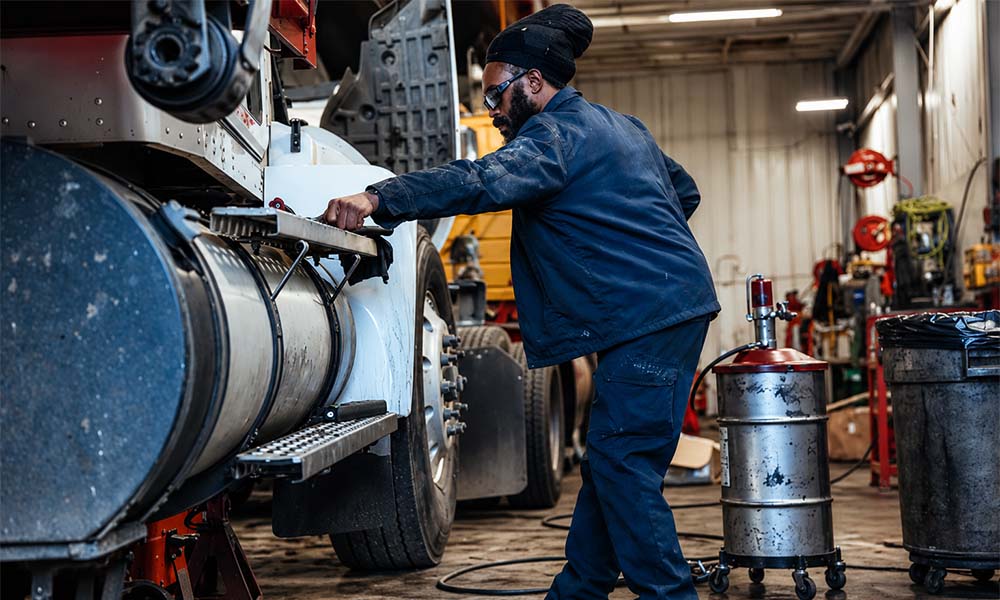
The pre-trip inspection starts before the truck leaves the yard. A DOT pre-trip inspection checklist is a good tool for checking the truck’s condition in an organized way instead of relying on memory. This kind of checklist can also be modified to create a DOT CDL pre-trip inspection checklist.
A DOT inspection checklist helps to spot any visible problems, but it should never give drivers false confidence about making repairs they should not do. If there is anything suspicious, the driver reports it according to the procedure within the fleet.
Brake System Checklist
Use these items as a practical starting point:
☐ Service brakes
☐ Parking brake
☐ Brake hoses and tubing
☐ Air compressor
☐ Low-pressure warning device
☐ Brake drums or rotors
☐ Trailer brake connections
Brakes deserve special attention because a small problem can become a major safety and downtime issue.
A DOT brake inspection checklist can help maintenance teams make brake checks more consistent. It should be used alongside the applicable inspection standards and qualified inspection procedures.
Tire, Wheel and Rim Checklist
☐ Tire condition
☐ Tire tread
☐ Tire inflation
☐ Wheels and rims
☐ Lug nuts and fasteners
☐ Cracks or visible damage
Drivers should inspect tires before they even leave the truck yard rather than after the first fuel stop. This way, if the tire is defective or leaking air, it will be much easier to have it fixed at the yard.
Lighting and Electrical Checklist
☐ Headlights
☐ Brake lights
☐ Turn signals
☐ Clearance lights
☐ Reflectors
☐ Required lamps
☐ Trailer electrical connections
Lighting problems are often simple to identify. The expensive part is what happens when a simple issue gets ignored and turns into a roadside inspection problem or an unsafe operating condition.
Steering and Suspension Checklist
☐ Steering components
☐ Steering linkage
☐ Suspension components
☐ Springs
☐ U-bolts
☐ Axle positioning components
A driver does not need to diagnose every mechanical problem. The job at this stage is to identify obvious concerns and report anything that does not look or feel right.
Coupling and Cargo Securement Checklist
☐ Fifth wheel
☐ Kingpin
☐ Safety devices
☐ Trailer connections
☐ Cargo securement
☐ Sliding mechanisms
A trailer can be mechanically sound and still create a serious problem if the cargo is not properly secured. That is why coupling and cargo should remain part of the daily inspection routine.
A dot trailer inspection checklist can help drivers remember trailer-specific items that are easy to overlook when the day is busy.
Driver and Cab Checklist
☐ CDL
☐ Medical documentation, when applicable
☐ HOS/RODS
☐ Seat belt
☐ Mirrors
☐ Windshield
☐ Windshield wipers
☐ Horn
☐ Emergency equipment
A DOT bus inspection checklist can also use many of these same basic inspection categories, but passenger vehicles may have additional requirements. Fleets should adjust their checklist to the type of equipment they operate.
Common Problem Areas during DOT Inspection
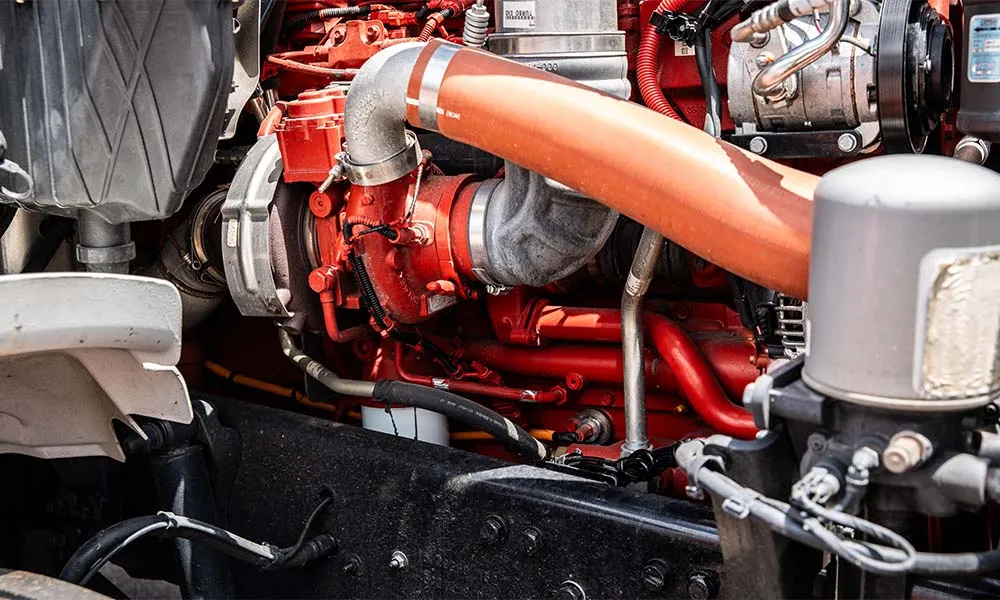
Most fleet managers do not need another complicated compliance report. They need to know where trucks are most likely to get into trouble and build those items into normal operations.
| Areas | Common Problems | Preventions |
|---|---|---|
| Brakes | Defective or poorly maintained brakes | Regular brake inspection |
| Tires | Damage, tread, or inflation issues | Pre-trip tire check |
| Lights | Inoperative lamps | Test before departure |
| Cargo | Improper securement | Verify securement |
| Driver | Documentation/HOS issues | Keep records current |
| Coupling | Defective connection | Inspect before operation |
Use a DOT safety inspection checklist as part of your maintenance process rather than treating it as a document that gets printed once and forgotten.
A DOT commercial vehicle inspection checklist will serve the same purpose as well by helping your drivers spot recurring issues and fix them.
How to Prepare for a DOT Inspection
Preparing your drivers for a DOT inspection is to ensure that they know the DOT inspection checklist and DOT inspection levels. Drivers should know what DOT inspection is and why it is important to have all needed materials, such as a commercial driver’s license (CDL), medical certificates, and hours-of-service logs, handy and easily accessible.
When you prepare a truck for the road, keep the process simple:
- Complete daily pre-trip inspections.
- Review previous inspection reports and DVIRs.
- Repair reported defects promptly.
- Keep driver documents current.
- Keep inspection and maintenance logs.
- Train drivers on inspection procedures.
- Schedule preventive maintenance.
A fleet inspection guide is important as the fleet grows, and one person can’t inspect each truck every day.

How to Avoid DOT Inspection Violations
Do not try to make your fleet perfect overnight. Focus on the problems that can create safety issues, roadside delays, and unnecessary downtime.
- Do not ignore minor defects.
- Check brakes and tires consistently.
- Keep lighting systems functional.
- Secure cargo correctly.
- Maintain required documentation.
- Train drivers regularly.
- Document repairs and inspections.
Built these DOT inspection checkpoints into maintenance schedules. If a truck keeps running into the same problem with brakes, tires, lights, or couplings, that knowledge should go into deciding its maintenance schedule.
The goal is not simply to pass one inspection. The goal is to keep the truck in a condition where an inspection is less likely to expose a problem in the first place.
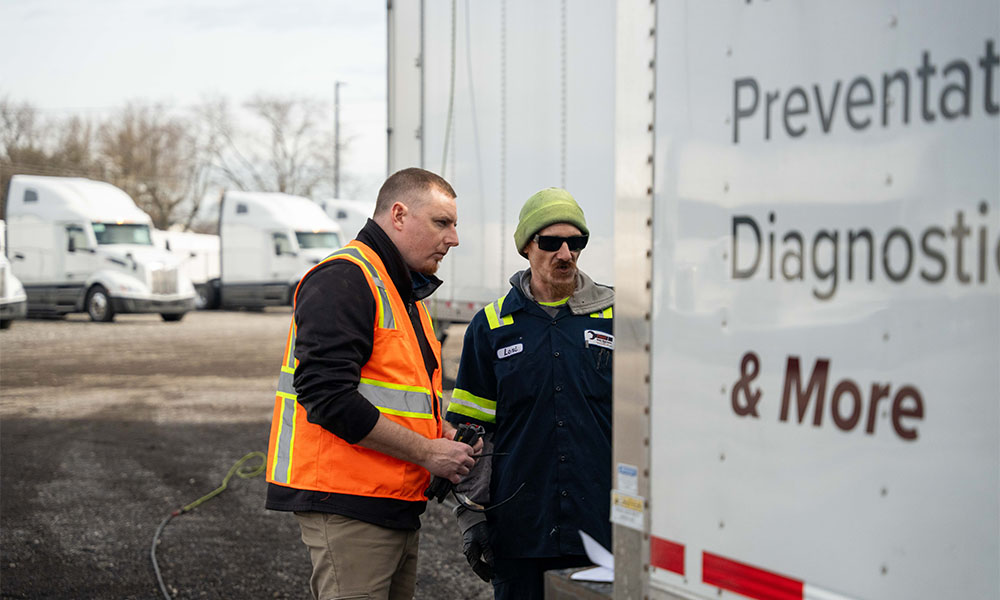
Keep Your Fleet DOT-Ready with Epika Fleet
For fleet owners, being DOT-ready is about minimizing downtime. A truck sitting in the yard for repairs is not earning revenue, and a roadside breakdown can disrupt the driver, load, customer, and delivery schedule.
That is why having a reliable repair partner matters. Epika Fleet provides mobile truck and trailer repair at fleet locations or roadside, helping get equipment inspected, repaired, and back in service without automatically sending it to a shop. Our technicians can perform repairs, preventive maintenance, and inspections without towing the truck to the shop.
Additionally, you can use a Pre-Trip inspection checklist to address any problems before dispatching the load. If a driver notices a brake or light problem the evening before a scheduled load, this can avoid bigger problems during the delivery.
A DOT trailer inspection checklist is just as useful. Trailer defects can be easily overlooked since there is more focus on the tractor. An unsafe trailer will end up causing delays.
DOT Inspection Checklist FAQs
Q: What is included in a DOT inspection checklist?
Q: What are the 8 DOT inspection levels?
The eight inspection levels are:
- Level I North American Standard
- Level II Walk-Around
- Level III Driver/Credential
- Level IV Special
- Level V Vehicle-Only
- Level VI Enhanced NAS for radioactive materials
- Level VII Jurisdictional
- Level VIII Electronic
Q: What is checked during a Level 1 DOT inspection?
A Level 1 inspection covers both driver and vehicle items. It can include driver credentials, HOS/RODS, vehicle inspection reports, brakes, cargo securement, coupling devices, steering, suspension, tires, wheels, rims, lighting, exhaust, frame, fuel system, wipers, and other applicable equipment.
A DOT Level 1 inspection checklist should therefore cover the major driver and vehicle categories before the truck leaves the yard.
Q: What should drivers check before a DOT inspection?
Drivers should check the vehicle’s safety condition before operation, including brakes, tires, lights, steering, suspension, coupling devices, wheels and rims, windshield and wipers, mirrors, horn, and emergency equipment. FMCSA’s Safety Planner points to these areas when discussing pre-trip inspection requirements.
A DOT pre-trip inspection checklist helps drivers follow the same process instead of relying on memory.
Q: What are common DOT inspection violations?
Common problem areas include brakes, tires, lights, cargo securement, coupling equipment, and driver documentation or HOS compliance. The exact violations depend on the inspection and applicable standards. Using a DOT safety inspection checklist can help fleets focus on recurring problem areas before they become roadside findings.
Q: How often should commercial vehicles be inspected?
Daily driver inspection requirements and periodic inspection requirements are different. Under 49 CFR 396.17, commercial motor vehicles must meet applicable periodic inspection requirements at least once during the preceding 12 months, with required documentation.
That means an annual DOT inspection checklist should not be confused with the driver’s daily pre-trip inspection. Both serve different purposes.
Q: What is a Level 8 electronic inspection?
A Level VIII inspection is an electronic inspection concept that can collect and validate compliance information while a commercial motor vehicle is in motion. FMCSA is currently testing the concept to evaluate its technical feasibility, safety benefits, efficiency, and possible future implementation.