
How To Improve Fleet Safety


Today, every successful fleet faces the ever-increasing challenge of fuelling costs, driver turnover, punctual deliveries, and ELD requirements daily. Ask any manager: one accident or one breakdown can knock out your operation for days and cost a fortune. The way forward is to make safety part of the genes of your company. Responding to successful fleet safety management involves the combination of intelligent training, inculcated discipline, technological updates, and a culture of faith.
Access established fleet safety tips, such as thorough screening of drivers, in-cab coaching, solidity of vehicle examinations, and frequent check-ups of data. Bottom line, better fleet driver safety isn’t just compliance, it’s your best cost-cutter, brand builder, and recruitment tool in today’s competitive market.
Understanding how to improve fleet safety starts with embracing fleet management safety principles that cut costs, reduce risk, and empower drivers. For instance, adopting weight reduction strategies not only improves fuel economy but also enhances vehicle control, making your fleet safer and stay longer on the roads.
Logistic Hustlers have reduced their annual maintenance costs and have seen a significant drop in accident frequency simply by prioritizing these safety steps.
Leveraging tools like telematics and video-based safety technology can also keep your drivers accountable and your fleet monitoring robust.
What Is Fleet Safety?
Understanding what is fleet safety extends far beyond checking legal boxes. It is more about creating a company culture of placing driver and vehicle safety at the top of the mind during every drive. The fleet safety meaning is to always have a determined, ongoing process that involves getting rid of hazards like avoiding crashes, ensuring the safety of your individuals, vehicles, and merchandise, meeting consumer requirements, and government requirements.
The only way to get a detailed insight into how to improve fleet safety requires a combination of technologies and human elements. This method works very well with identifying a strong commercial fleet safety program, both in terms of human training and data-driven analysis to impose safer methodology and maximize the fleet’s fuel efficiency.
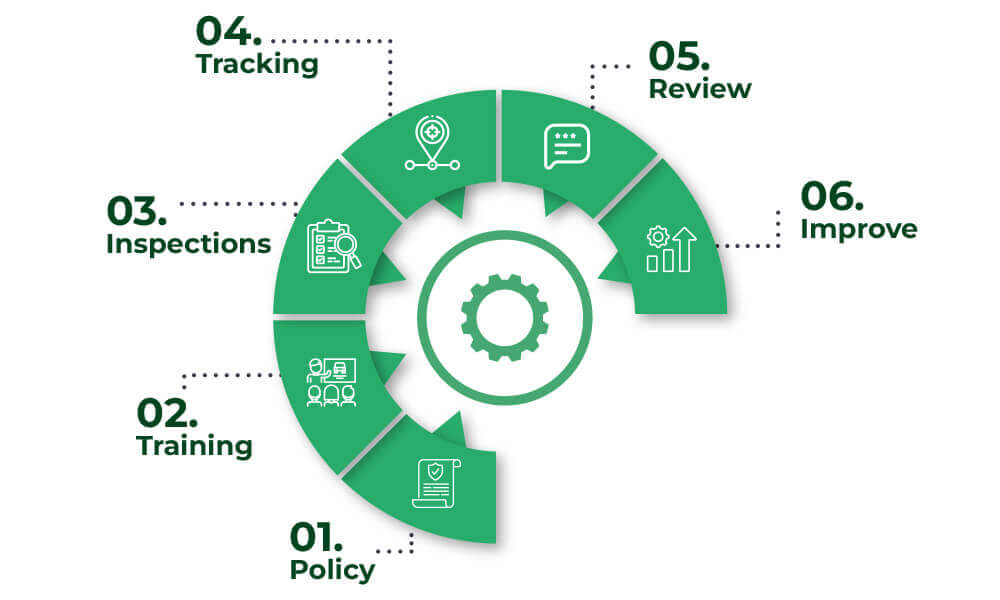
Solid and reliable fleet safety systems involve everything from policy-making to hands-on actions, which include detailed training, preventive maintenance schedules, and regular fleet safety monitoring. And up-to-the-minute knowledge will help you to make sure that your operation stays progressing.
Why Fleet Safety Matters?
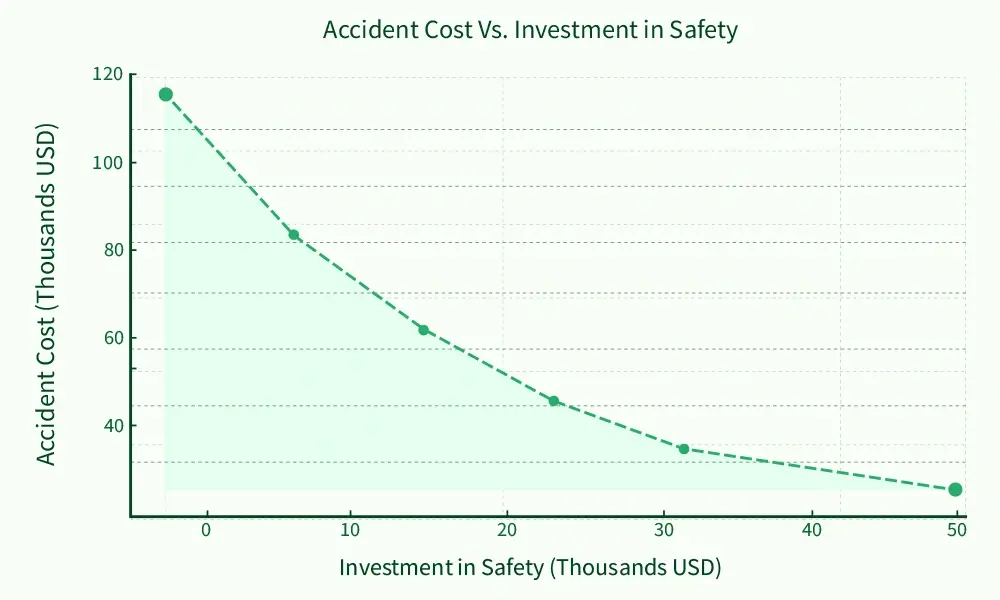
Experienced logistics specialists are aware that time lost, repair, and accident investigation costs can blow up in a minute and make you leave what you are good at. But fleet safety management is about more than saving money. It’s about creating an environment where drivers feel valued, customers see your reliability, and you stay trusted in a tough industry. Every miss avoided and every check completed is another delivery done on time and another team member going home safe.
A robust fleet safety program strengthens your market position and wins business even against bigger, tech-savvy competitors. Industry data on the Most Common Fleet Accidents, ranging from rear-end collisions to fatigue-related crashes, illustrates the pressing need for action on how to improve fleet safety.
Telematics is a key aspect of Duty of Care policies now, helping to promote safer driving so there are fewer speeding fines or accidents, which all contributes to less downtime and therefore a much more efficient business.
-Telematics is reducing accidents among business fleets, Road Safety GB
Beyond cost savings, these changes boosted driver morale and led to stronger customer trust.

What is a Fleet Safety Program?
If you want to know what is a fleet safety program, it is the game plan that lays out exactly how your team will stay safe and compliant. It spells out the fleet safety policy and includes routines for hiring, onboarding, ongoing training, vehicle inspections, and handling emergencies. The best programs use a fleet safety management system to track results, spot weak points, and keep everyone on the same page.
Research indicates that agencies implementing integrated telematics solutions achieve 25-35% reduction in preventable accidents and 15-20% improvement in fuel efficiency.
-Bus CMMS
An effective fleet safety program isn’t just paperwork or a “do as I say” speech. It’s a living, evolving approach to manage real-world risks from pre-trip checks to post-incident reviews, and everything in between. Adopting a commercial fleet safety program means embedding accountability at every level: drivers, dispatch, back office, and leadership. With clear fleet safety metrics, your team knows exactly where improvements are working and where the next focus should be.

Benefits of a Fleet Safety Program
An intelligent fleet safety program can do better than compliance. It reduces accidents that could have been prevented, boosts the staff’s morale, and assists in the retention of your best drivers. It essentially shrinks downtime, which saves money and energy to use elsewhere in seeking new opportunities.
1. Fewer Accidents and Lower Costs
Implementation of a strong fleet safety program decreases crash levels, reducing repair costs, downtimes, and low repair bills. There is more profit in every missed incident.
2. Improved Driver Accountability
With ongoing driver feedback and monitoring, you build a transparent, fair culture where safe habits are the norm. This attracts and keeps responsible talent.
3. Better Compliance and Fewer Hassles
Keeping up with fleet safety management saves you from fines, audits, and hours of disputes. Clear fleet safety metrics help you prove compliance to regulators and customers alike.
4. Stronger Company Reputation
Clients notice when you run a safe operation. A clean record earns trust, builds repeat business, and wins contracts over less reliable competitors.
5. Enhanced Efficiency
Smart policies and the latest fleet safety tips ensure your vehicles last longer, routes run smoother, and fuel is used wisely, all thanks to fewer preventable delays.
Additionally, by integrating weight reduction strategies and focusing on driver behaviour, companies have seen improved fleet fuel efficiency, which complements safety goals by reducing strain on vehicle systems and adapting driving styles for road conditions.

Common Fleet Safety Challenges
Let’s be real, every fleet manager faces roadblocks when looking at how to improve fleet safety. Busy schedules, thin margins, staff buy-in, and tech resistance make enforcing even simple policies tough. Add in changing regulations and unpredictable downtime, and building reliable fleet safety systems feels like another full-time job.
The experienced managers are aware of being on alert against unscheduled breakdowns, omitted inspections, and the prevailing attitude of doing things the way they have always been done as a way of marginalizing change.
Technology resistance is one of the obstacles that has been continually blocking the way to knowing how to improve fleet safety. One logistics gave the example in which drivers did not welcome the new GPS tracking and video-based monitoring hardware to control them initially, as they felt too authorized to be watched. Nevertheless, once the management integrated the technology distribution with an explicit explanation of the safety advantages, such as a decrease in the number of fatigue-related accidents and unjustified claims, the culture changed. Motorists started to enjoy immediate responses, and it resulted in safer driving and reduced crashes, as change management is as crucial as new technology.
1. Inconsistent Driver Training
Not every employee gets the same onboarding, establishing variation of skills, and making each mile driven riskier than it has to be.
2. Poor Maintenance Schedules
Failure to make routine inspections or procrastinating in repairing immediately transforms small problems into life-threatening situations, becoming detrimental to efficiency as well as confidence in your operation.
3. Lack of Real-Time Driver Monitoring
Without the assistance of telematics or GPS currently at hand, it is impossible to discover safe driving habits, and no serious trends will be observed. If you are wondering what is fleet telematics? It is the integration of telecommunications, GPS technology, and onboard diagnostics to monitor and manage vehicle operations within a fleet, delivering insights that help businesses improve efficiency, safety, and cost management.
4. Driver Fatigue and Distraction
Such accident initiators as long hours, stress, and multitasking behind the steering wheel still rank high as long as there are good intentions.
5. Regulatory Non-Compliance
The law evolves quickly. Being out of cavity waiting means more fines, trouble with the audits, and headaches with insurance in the future.
6. Weak or Outdated Safety Policies
Open-ended regulations cause misunderstanding and an uneven application of the same, so the concept of accountability and betterment never gets underway.
7. Uncontrolled Operating Costs
When it is impossible to trace all the areas of expenditure in terms of repairs, insurance, etc, there is a budget confusion in the event of an occurrence that could have been prevented.
8. Technology Pushback
Individuals such as drivers or long-term managers can be opposed to the implementation of new apps or new devices, which decelerate the process of change in the fleet safety management, which the business requires.
Step-by-Step Guide to Creating a Fleet Safety Program
Want to know how to improve fleet safety from scratch? Here’s a proven roadmap to jumpstart your approach or refresh an aging system, just tailor each step to your unique needs.
- Assess Your Operation: Identify risks, review incident data, and ask drivers for feedback. Custom solutions beat generic ideas every time.
- Write an Actionable Fleet Safety Policy: Write what is expected, who is going to be in charge, and what will happen when those standards are not up to the mark.
- Make Goals Measurable: Making goals measurable would mean aiming your efforts toward a goal you can quantify, as with fleet goals, you can think of incident rate, number of audits that passed or failed.
- Get Buy-In: Assemble a safety team with dispatchers, technicians, and top drivers for diverse input and stronger accountability.
- Implement Telematics and Tracking: Modern fleet safety systems or GPS devices help catch unsafe habits, reduce delays, and cut paperwork. Use of real-time data enabled the supervisors to coach drivers and identify frequent risky behaviours. This practical use of telematics aligns perfectly with how to improve fleet safety in a data-driven environment and contribute to your fleet safety monitoring efforts.
- Launch Continuous Driver Training: Provide hands-on, realistic courses beyond required basics; real stories stick more than dry lectures.
- Schedule Regular Vehicle Inspections: Follow trusted resources like truck preventive maintenance to catch issues before they cost you. When a company cooperates with mobile fleet maintenance companies such as Epika Fleet, one can be sure that their fleet vehicle inspections are carried out comprehensively, on schedule, and transparently, which is an imperative in avoiding expensive and unsafe breakdowns.
- Design an Incident Reporting Route: Eliminate blame and invite the entire staff to report errors and close calls so that quick action can be taken.
- Give Awards and Recognitions: publicly reward and acknowledge the best performers in safe work, and make safety a badge that employees want to obtain.
- Revise and Update: Update your fleet safety program continuously according to feedback, output, and advancements in technology.
Steps to Implement Your Fleet Safety Program
Rolling out your plan is where all your research turns into results. Follow this checklist to get all gears turning together, from the first meeting to full buy-in, each step turns how to improve fleet safety into actionable progress.
1. Communicate Your Policy Clearly
Every staff member, driver, mechanic, and admin must know the fleet safety policy front to back. Use team meetings, texts, and printouts for clarity.
2. Set Up Monitoring
Link real-time systems like Benefits of GPS Vehicle Tracking and fleet safety monitoring to spotlight everything from speed events to missed checks.
The use of video-based safety technologies, such as dash cams with AI video analytics, has helped various fleets reduce their share of at-fault accidents by an average of 50%.
-Motive
Interpretation of these tools not only facilitates uniformity in the tracking of the safety of your fleet but also generalizes regularity in the implication of the reviewed rules.
3. Schedule Maintenance Proactively
Leverage mobile fleet maintenance services and DOT inspection partners to prevent surprise breakdowns.
4. Encourage Safe Habits with Rewards
Employees who go above and beyond zero violations, best fuel stats, and best feedback, should become local legends. Recognize and celebrate them.
5. Track and Fine-Tune the Program
Use strong fleet safety management by watching data, holding regular check-ins, and staying ready to adjust based on what’s working and what’s not.

How Epika Fleet Helped Companies Improve Fleet Safety
Glynn Dorsey described Epika Fleet as the “Triple-A for commercial truckers.” After a sudden breakdown, Epika’s rapid mobile repair service minimized delivery delays and kept his truck road-ready with minimal downtime.
When you ask how to improve fleet safety, these customer reviews prove that strategic partnerships are key for mastering this skill. Fleet operators adopting Epika’s truck repairs and trailer repair services report faster fixes and happier drivers, less time waiting means more cash coming in. Their approach blends expert techs, strong communication, and reliable DOT truck inspection routines, ensuring fleet vehicle safety is never left to chance. This is backed by case studies showing how integrated telematics and steady monitoring slashed preventable incidents, cut insurance claims, and raised the company’s morale countrywide.

Conclusion
When you need to learn how to improve fleet safety, you ought to keep in mind that this is not about checking the boxes and following the outline of your competitor. It is the everyday devotion to clever practices, reasonable rules, functional technology, and truthful investments down the board. The returns on your investment are lower maintenance time, reduced repairs (expensive repairs), and a staff that will be with you long-term as you make a culture-first investment.
Are you geared up to have fewer headaches and more success? Walk your talk and put in partnership with other leaders in the field, like Epika Fleet, or utilize existing fleet safety management resources, some of which have years of experience under their belts and treat improving the process as a discipline. Take your action and take your position at the forefront.
In short, realizing how to improve fleet safety is not an isolated venture that requires only some effort and funds but necessitates dedication, investment, and flexibility. With the implementation of safe methods developed over the years, such as incorporating a thorough training program for the drivers, adopting technology along with the construction of your fleet programming and maintenance optimization, the fleet will result in a lower number of incidents, plus it’s better recognition. Keep in mind that safety is the key to profitability and the retention of drivers. Establishing relationships with reputable professionals, such as Epika Fleet, will allow you to ensure that your program complies with modern realities and that it does not remain purely in the present but is a step ahead of what lies ahead.
FAQ’s
How to improve safety in trucking?
Start by setting clear fleet safety policies and investing in ongoing driver training. Modernize with real-time fleet safety monitoring and regular vehicle checks. Use telematics, incentivize good driving habits, and discuss safety daily for best results.
Which is a main element necessary for a fleet safety program?
Comprehensive driver training forms the backbone of every successful fleet safety program. Equip drivers with clear safety policies, regular refreshers, and supportive feedback; they are your first and best line of defense.
How to improve safety score in trucking?
Monitor all relevant fleet safety metrics, intervene on unsafe behaviours fast, and prioritize preventive maintenance. Use technology for insights, reward good performance, and keep your fleet safety program current for continuous progress.
How to increase driver safety?
Value fleet driver safety with modern tech, targeted training, and regular behaviour checks. Encourage open communication, coach constructively after incidents, and support drivers both on and off the road to keep them safer every mile.