
Safe Driving with Low Tire Pressure

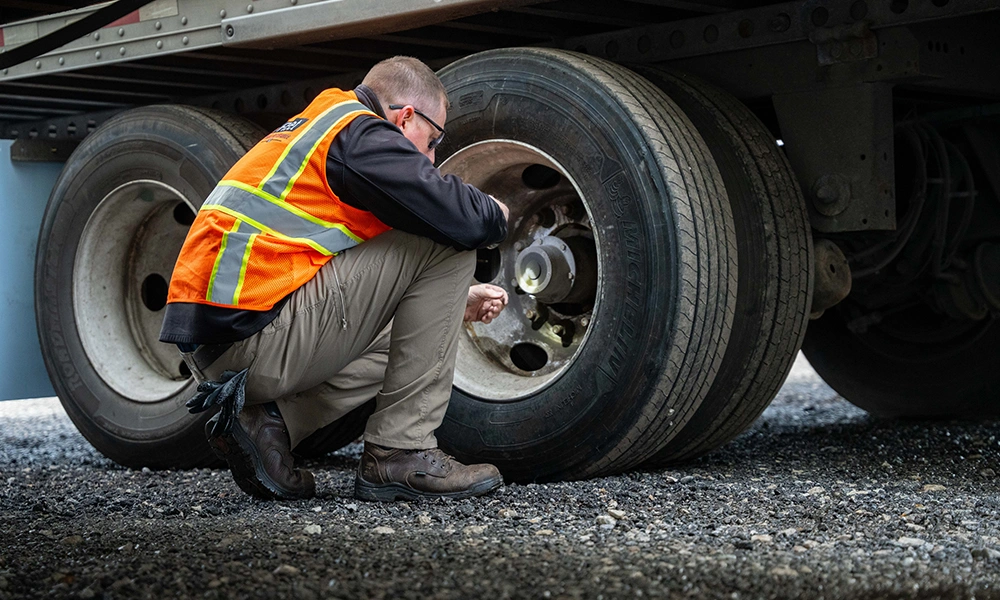
One of the most frequent, but neglected, problems that medium- and heavy-duty commercial truck fleets have to deal with is low tire pressure. When your tires are not inflated to the recommended level by the manufacturer, they affect commercial truck control, braking performance, fuel efficiency, and overall fleet safety. Most commercial drivers do not take the problem of unsafe or underinflated tire pressure conditions seriously, thinking that it is not a big problem to drive on. As a matter of fact, any slightly low pressure will augment stopping distance, diminish traction, and result in unnecessary wear. Low tire pressure when driving may also cause expensive repairs and accidents when neglected. It is important to know the dangers and know how to manage them in order to drive safely and reliably.
You should not ignore the warning light on your dashboard that tells you that you are driving at the lowest tire pressure. Driving with low tire pressure puts your fleet at risk, your fleet operations, performance and fuel efficiency are always at risk. More to the point, the minimum tire pressure at which you can safely drive is frequently greater than most motorists think. Driving on a low tire or underinflated tires not only reduces tire life but also endangers road safety. To both individuals and fleet operators, it is important to note the need to maintain tires. Inattention to low pressure tire warnings may result in a blowout, increased maintenance expenses, and preventable accidents.
Causes of Low Pressure Tires
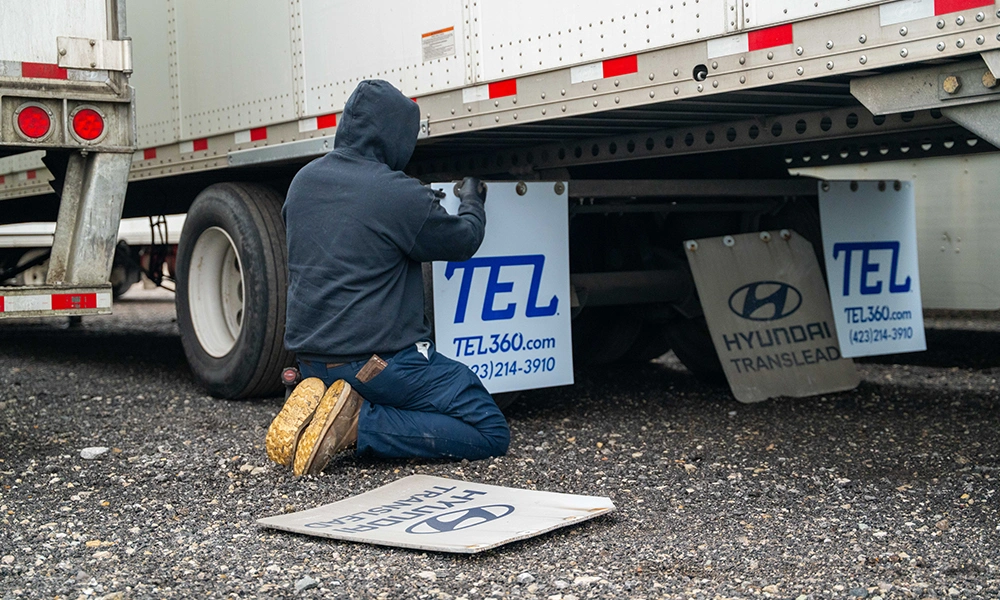
Low tire pressure may be due to various causes such as natural loss of air or mechanical problems. One of the most significant causes of low pressure tires is temperature changes because air contracts when the weather is colder. Punctures, broken valve stems, or broken rims are also common culprits. Although tires may look good, they will leak air over time. If this happens then low tire pressure warning lights will be illuminated and fleet drivers are alerted based on this and have to act accordingly. Getting information on these factors of low tire pressure allows drivers to prevent unnecessary breakdowns and mishaps. It also ensures the tires are in the best condition specifically when it comes to performance and their life cycle on the road.
Another frequent cause of low pressure tires is failure to include tire inspections in routine fleet preventive maintenance schedule. Low tire pressure can take weeks to be noticed, most commercial drivers do not notice that their tires are underinflated until a dashboard warning is shown. Badly fitted or damaged beads can also lead to dangerously low tire pressure.
When it comes to fleet trucks, failure to periodically check truck preventive maintenance or trailer preventive maintenance puts the fleet at risk of unknown damage and problems. Having a good understanding of these issues and their solutions makes sure that fleet managers and drivers take proactive steps to limit this unnecessary downtime, extending the life of tires and reducing risks. These all measures result in improvement of truck’s performance and operational safety.
Effects of Driving with Low Tire Pressure
Driving with low tire pressure has more than just an inconvenience effect. In case of under inflation of a tire, the contact patch between the tire and the road is altered and results in irregular wear. The effects of low tire pressure are that it decreases the traction and increases the tire wear particularly during slippery weather conditions. It also puts a strain on the steering and suspension systems of the trucks, and thus handling becomes less predictable. In the case of commercial fleets, the impact of low tire pressure driving is reflected in higher fleet maintenance costs. The problem might not seem to be a big deal initially, but the cumulative consequences can end up decreasing the longevity of trucks and lowering safety levels, so tire inspections cannot be negotiable.
In addition to mechanical effects, one of the effects of low tire pressure while driving is the comfort of the driver and the stability while driving a low tire pressure truck in general. Low pressure tires create excessive rolling resistance that results in high fuel consumption and increased emissions. The risks of low tire pressure are especially apparent in emergency maneuvers when underinflated tires interfere with grip and control. Reduced fleet fuel efficiency is also a problem for fleet operators and this directly affects profitability. The identification of the cumulative impacts of driving with low tire pressure highlights the importance of inflating tires in time. Avoiding the dangerously low tire pressure will not only save money but also provide safer roads for all motorists.
Risks of Driving on a Low Tire
Heavy loads and long distances increase the risks of driving trucks with low tire pressure in the case of fleet managers. Commercial trucks that are on low tires endanger the lives of their drivers and cargo. Also, tires that are underinflated decrease the effectiveness of braking, and the possibility of rear-end collisions. The consequences of low-tire pressure driving can also cause early damage to the suspension. One must also be careful about the dangers of driving with low tire pressure even on shorter distances. Fleet inspections should be prioritized frequently to make sure the trucks are not in dangerously low tire pressure conditions, and thus it will lower the risk of accidents and make sure the safety of fleets as well as drivers.
Tire Pressure Maintenance and Safety
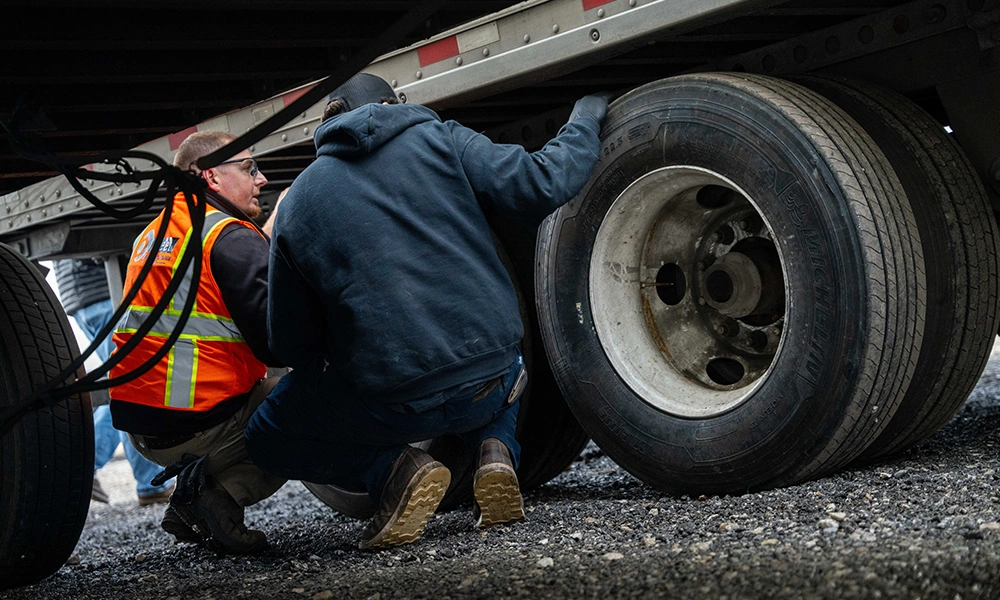
It is important to keep the tires inflated due to the effects of driving with low tire pressure on safety and performance. The risks of deflated tires underscore the need to check tire pressure regularly. Commercial Drivers are advised to check air levels at least once a month and prior to long journeys. A quality tire pressure gauge is also accurate and it helps prevent low pressure tire problems. In the case of fleets, tire pressure checks should be incorporated into the routine maintenance to minimize the occurrence of unforeseen downtime. Not only does the low pressure of tires enhance safety but it also reduces the cost of operation. Inflated tires last longer, drive better and minimize the dangers posed by tire pressure that is dangerously low and thus this practice is a safety requirement.
In order to keep the roads safe, one should always inflate tires to the specifications of the truck manufacturer. Regular checkups can be used to identify low tire pressure before it becomes dangerous. Tire checks incorporated in the routine truck preventive maintenance and trailer preventive maintenance avoid expensive breakdowns. In the case of commercial fleets, this practice lowers fleet maintenance costs directly and improves the level of safety. The consequences of driving with low tire pressure may be drastic yet most of the problems can be prevented through proactive care. One of the most effective safety measures is proper tire management, which is one of the simplest ones.
Fuel Efficiency with Low Tire Pressure
Less apparent risks of low tire pressure include decreased fuel efficiency. Tires that are underinflated create more resistance to rolling, and the engine has to work harder to keep up the speed. This leads to increased fuel and emissions. In the case of businesses, low tire pressure driving directly affects the fleet’s fuel efficiency. Research indicates that a couple of PSI below the recommended amounts is enough to decrease efficiency by a few percentage points. In the case of fleets that travel thousands of miles, the aggregate effect is expensive. The prompt solution to low pressure in tires will result in savings in fuel and operational costs.
Low tire pressure driving can make fuel costs very high in the long run. As an example, tires with dangerously low pressure cause the medium- and heavy-duty trucks to use much more energy than is required. Not only does this burn fuel, but it also puts strain on the engine and the drivetrain. Keeping the right level of inflation has tires rolling smoothly making commercial trucks efficient. Low tire pressure has other impacts on sustainability through the carbon footprint, which can influence the sustainability objectives. Proper inflation is one of the easiest and most efficient measures to make fleet fuel efficient and eliminate unnecessary expenses both in the case of individuals and in the case of fleets.
Emergency Actions While Driving on Low Tire Pressure
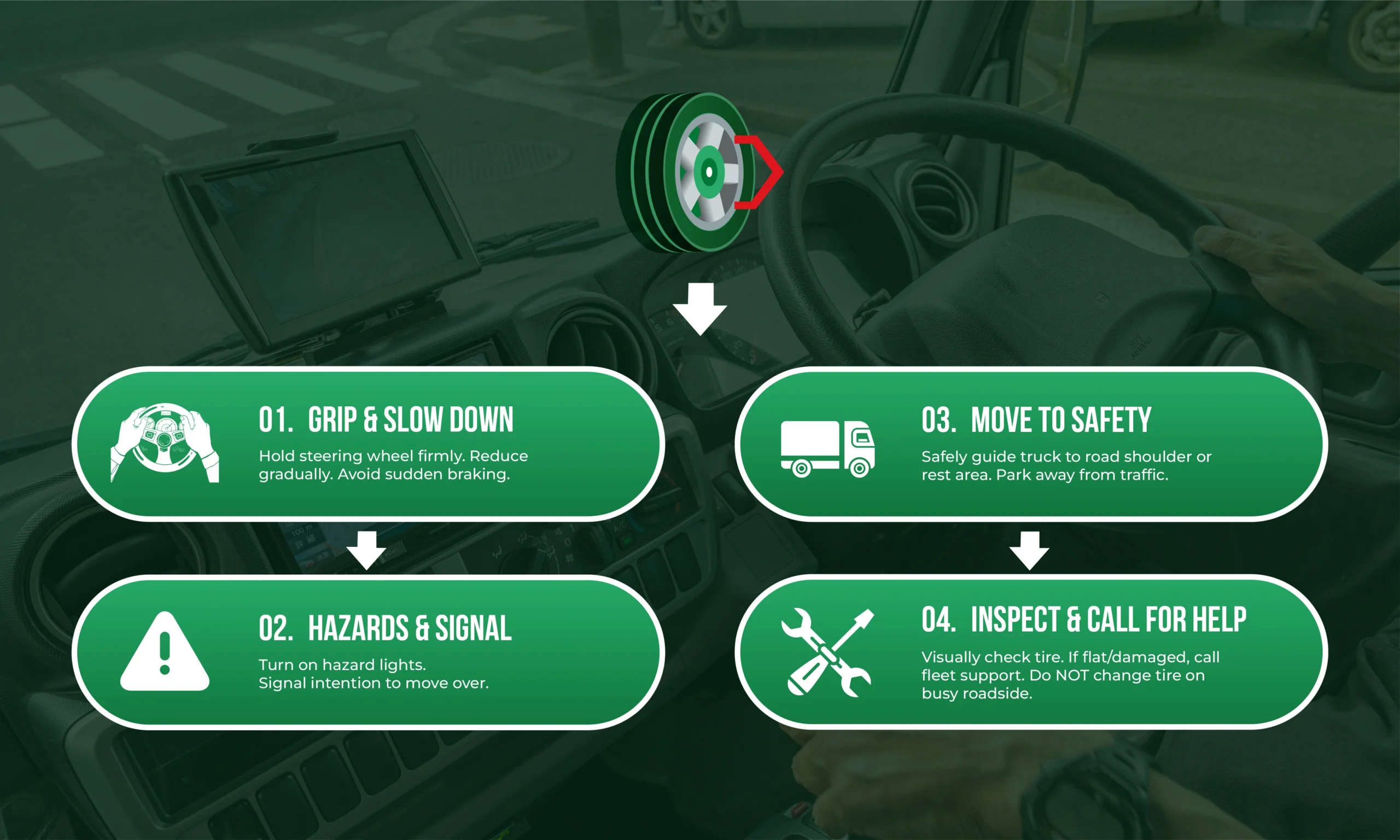
When you see a tire low pressure alarm on the road, it is important to take action as soon as possible. Long distance driving on low tire pressure can be one of the dangers of low tire pressure at highway speeds. The most secure emergency measure is to reduce the speed slowly and locate the closest safe place to examine your tires. Do not continue operation until the tire has been inspected and either inflated, repaired, or replaced, depending on the severity and the fleet’s maintenance protocols. For commercial drivers, continuing to operate with a low tire can violate safety policies and increase the risk of roadside failures. It is a good idea to have a sealant or inflator in case of an emergency. The risks of low tire pressure driving demonstrate the importance of being ready, most importantly when travelling long distances and commercial drives.
Where it is not possible to stop at once, slow down and take care not to turn sharply or to make sudden stops to reduce risks. One should only be driving on low tire pressure with caution until a service station or a safe place is reached. In the case of fleets, drivers ought to be trained on how to respond to emergencies in order to manage such situations. The consequences of low tire pressure driving can develop rapidly, and it is therefore important to be aware of the initial symptoms. Stocking of spare tires, monitoring equipment and appropriate training guarantees that the fleet drivers are able to handle emergencies in a safe manner. Proactivity minimizes accidents and increases the significance of tire care in general road safety. One should take notice of such recommendations to avoid the dangers of low tire pressure.
Technology and Tools for Monitoring Tire Low Pressure
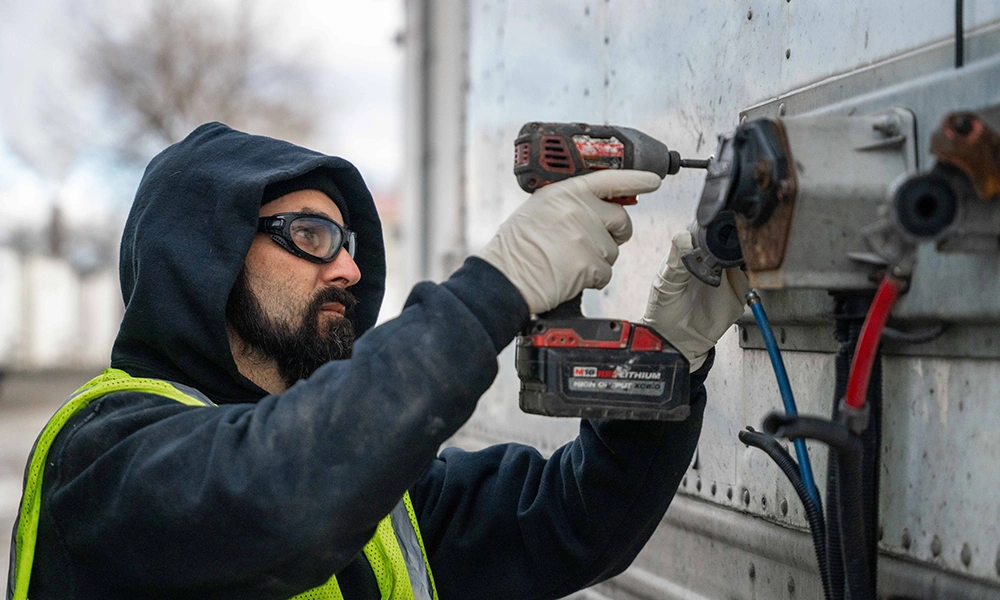
Current medium- and heavy-duty trucks have Tire Pressure Monitoring Systems (TPMS), which will warn a driver of low tire pressure before it is too late. The systems monitor tire inflation in real time and minimize the risks of dangerously low tire pressure. Digital gauges and inflators are also portable and assist fleet drivers in being accurate. In the case of fleets, the state-of-the-art telematics solutions combine tire data with fleet maintenance costs tracking to make improved decisions. Commercial drivers can use technology to avoid accidents caused by the risks of low tire pressure. Monitoring tools are a safe and cost-effective investment for both individuals and businesses.
In addition to TPMS, systems that integrate tire monitoring with more extensive truck preventive maintenance and fleet fuel efficiency programs are also available to fleet operators. These tools make sure that the low tire pressure is dealt with before it affects the safety or the cost. Low tire pressure driving does not need to be a danger as long as technology is applied properly. The consequences of driving on low tire pressure can be reduced, which guarantees higher safety, efficiency, and less downtime. The use of these tools helps to protect individual drivers and fleets.
Conclusion
Low tire pressure might seem a minor problem, but for medium- and heavy-duty truck fleets, low tire pressure is not a minor issue. It directly affects safety, compliance, fuel efficiency, and cost per mile. The risks are too high to be overlooked. As a fleet operator or commercial driver, understanding the importance and impact of low tire pressure and dealing with it promptly is a sure way to be safe. It also helps to improve performance and save money. To conclude, proactive maintenance, emergency preparedness and monitoring technology make all the difference. Focus on preventive maintenance, and ensure your fleet is DOT compliant and your deliveries are always on time.
FAQs
What happens if you keep driving with low tire pressure?
If you keep driving with low tire pressure and ignore the warning signs, sooner or later it will result in increased costs, accidents, and permanent damage to trucks.
How dangerous is it to drive on low tire pressure?
Low tire pressure is extremely unsafe as it affects truck control and tires are more likely to experience unexpected explosions. Handling is also influenced by tires that are slightly underinflated. The risks of low tire pressure are accidents and expensive repairs. Always take care of warnings at once.
Can driving on a low tire damage the heavy duty truck?
Yes, driving on a low tire can destroy your heavy duty truck. Low pressure tires strain the suspension, brakes and steering. Driving on a low tire also reduces fuel efficiency. In the long run, underinflated tires cause problems with alignment, irregular tire wear, and increased rim damage and tire blowouts.
What should you do immediately when your truck shows a low tire pressure warning?
As soon as your truck displays a low tire pressure warning, reduce speed and pull over in a safe place to check your tires. Blow them up to the recommended PSI of the manufacturer. In case you cannot do it, go to a service center as soon as possible. Do not disregard the dangerously low tire pressure warning.