
Fleet Management Strategies for Commercial Fleet Operations

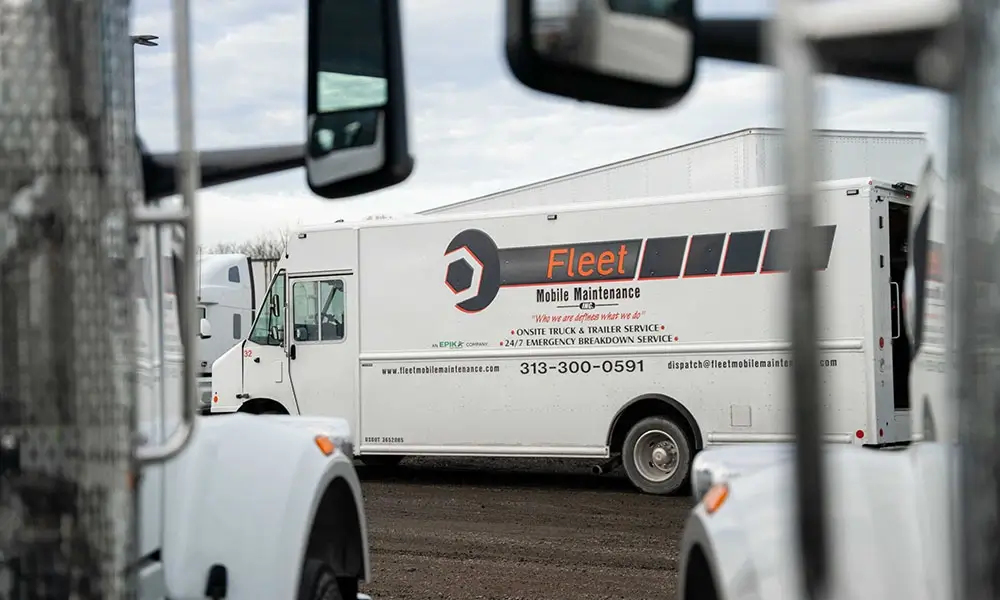
Fleet management has evolved to make smarter, safer, and more profitable decisions. Suppose you are looking at a crash on the shoulder of I-95, fuel bills rising, and drivers reporting late again. It only takes small mismanagement, and your entire business will stall. That is why fleet management is not a trendy word, but rather your advantage in ensuring that trucks keep on rolling, costs are kept to a minimum, and loads are delivered on time.
Why Fleet Management Matters for Modern Businesses
Fleet management helps to keep your business competitive in this tight market. It aids in identifying issues early and outcompeting larger organizations using more advanced technology. In your case, it is about spending more time on the road and less time in the shop.
You are losing money without strong fleet management. Proper fleet management tracks idle time and routes to cut dollars per mile.
Dissatisfied staff results in unfilled seats and wasted hauls. Fleet management solutions provide tools for proper scheduling and communication to keep your business intact.
Fleet Management Systems Explained
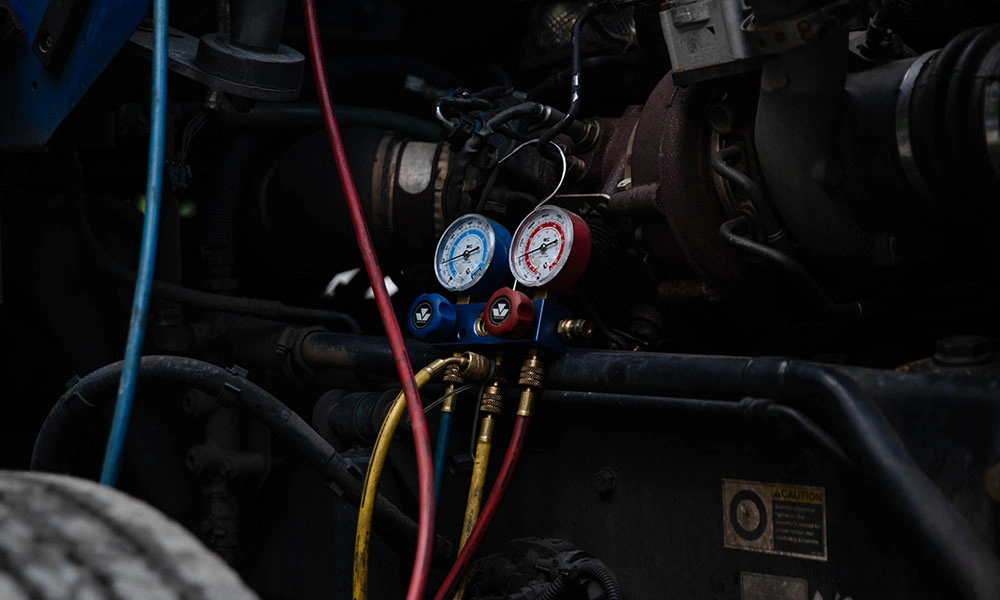
Your command center, software, and tools that monitor your trucks in real time are called a fleet management system. It monitors your whereabouts, fuel consumption, and service requirements. It is based on retrieving data from GPS, engines, and driver logs. No more guessing where your rigs are or why they’re guzzling gas. Commercial fleet management includes planning routes that avoid traffic and locate inexpensive fuel stations. Issues are also noted early through fleet management systems. When a tire is getting worn, it warns you of a burst. Combine your system with a fleet management platform to have dashboards that make it easy to see everything. It is as though you have a co-pilot with no sleeping habits.
Many fleet management companies offer these as plug-and-play setups. They integrate with your ELDs and dispatch apps, cutting paperwork. For small businesses, it’s a game-changer; there’s no need for spreadsheets when a fleet management system does the math.
Fleet Management Technology and Innovation
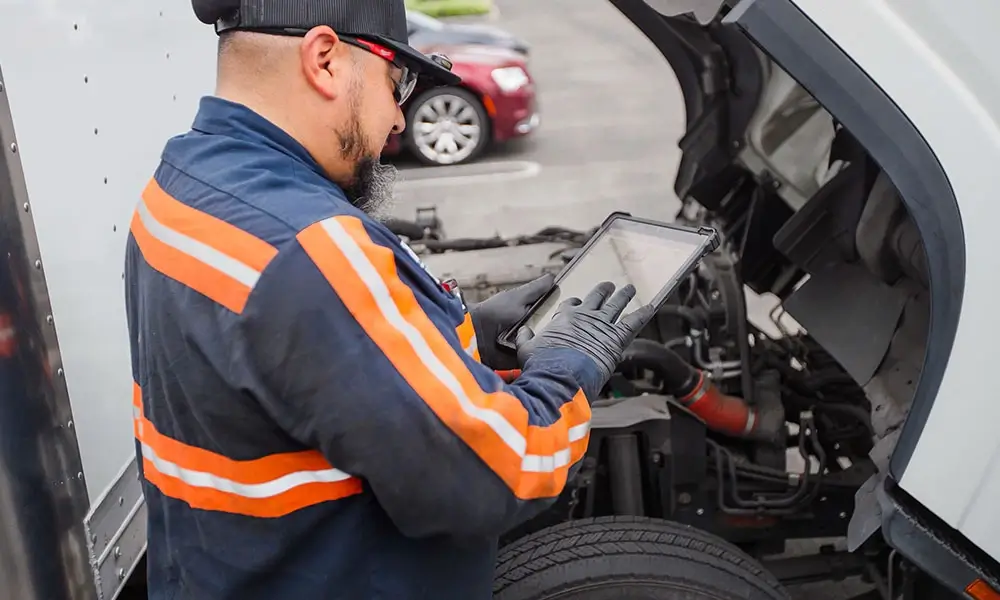
Fleet management technology is developing rapidly, yet the simplest things are usually good and can bring a quick payback. GPS positioning is the talk of the past; nowadays, the tools come with AI, smart route capabilities, and predictive repairs.
Take telematics devices in your trucks that send engine data. It spots brake wear or oil leaks before they strand you. Fleet management technology like this cuts downtime by up to 30% and maintenance costs by up to 20%.
Dash cams and driver apps are also highly beneficial. They score safe habits and reward good runs, tackling turnover. Innovations like electric truck charging networks fit into fleet management platforms, helping you go green without the guesswork.
For truck fleet management, loads and reefer temperature are monitored by plug-and-play sensors. Such enhanced tools in reefer units result in a visible boost in ROI as the units minimize spoilage of cargo and lower operational costs. Studies show that improved monitoring of containers can save a lot of energy and operational expenses, up to 86.7% to 91.6%.

Fleet Management Best Practices for Commercial Fleets
Fleet management best practices can be summarized into three things, which include Plan ahead, Track everything, and Act fast.
The first step is to decide on definite paths and timetables. Optimize data to prevent no-go areas and rush hours. Second is to keep up a schedule. It is not necessary to wait until something goes wrong; fleet management apps will remind you about the oil changes and DOT checks. Collaborate with Epika Fleet, because we know what support an operator requires in running a successful fleet business. Third, train drivers. Short sessions on fuel-saving tricks or safe braking pay off big. Track fleet management KPI like miles per gallon to measure wins.
Prevent downtime with routine checks. For mobile needs, Epika’s mobile fleet maintenance brings the shop to you, with no towing fees. Rotate tires evenly and clean filters monthly. These steps keep CSA scores low and insurance rates down.
Review weekly: What routes saved time? Which drivers need coaching? Solid fleet management best practices turn your operation into a well-oiled machine.
Fleet Management KPIs That Drive Performance
Fleet management KPIs can tell you precisely about the position of your operations, what is working, and what requires repair at the moment. This helps in making effective changes that will save money and keep trucks on track. Current fleet management platforms automatically pull the data, and as a result, you can see trouble earlier without spreadsheets.
1.  Fuel Efficiency (Miles per Gallon – MPG):
 Fuel Efficiency (Miles per Gallon – MPG):
It is a measure that gauges the distance that one truck travels with a gallon of diesel. The latest models of semi-trucks are 8 to 10+ MPG; below this means that they are wasting time on speeding, idling, and taking the wrong route. The reason it is important is that fuel is typically 20%-30% of operating costs. 1 MPG of savings will result in thousands saved every year.
Guide your drivers to drive on steady speeds (55-65 mph) and use GPS rerouting to skip hills.
2. Vehicle Utilization Rate:
 Vehicle Utilization Rate:
It is the proportion of active time of the vehicle in relation to the total available time, generally calculated as a percentage. The ATA results indicate that the most successful fleets in the US had utilization of 90%. A score lower than 85% means that you are losing money on stagnant rigs. Improving the utilization rate is important because it will result in more revenue per truck since it will be utilized more.
To reduce time spent on shops, don’t skip preventive maintenance and for better efficiency, stack backhauls via freight marketplaces like Dial-A-Truck (DAT) so you can secure loads on your return trips, rather than returning empty (deadheading).
3. On-Time Delivery Rate:
 On-Time Delivery Rate:
Proportion of on-time deliveries. Aim for 95%+ to get favorable rates from the brokers and build customer trust. It’s very important because happy customers pay premiums and market you for free by referring you to other people. And the fact that can’t be ignored is that delay increases the risk of crashes because of rush driving.
To overcome this problem and gain customer trust, keep at least a 15-minute margin in your schedule. Use GPS for real-time tracking alerts to avoid traffic jams.
4. Maintenance Cost per Mile:
 Maintenance Cost per Mile:
Total repair and service dollars divided by miles driven is defined as maintenance cost per mile. It’s important because predictable costs help you maintain a steady cash flow.
Keep your maintenance costs under $0.15/mile for heavy-duty trucks; over that, breakdowns and mechanics who overcharge will eat your profits. Contact Epika Fleet for affordable truck repair services.
5. Driver Turnover Rate:
 Driver Turnover Rate:
This is a widely misunderstood term that cannot be ignored because steady teams drive safer and cheaper.
These fleet management KPIs will make you realize that your fleet management is providing real ROI, month after month.
Truck Fleet Management Challenges and Solutions
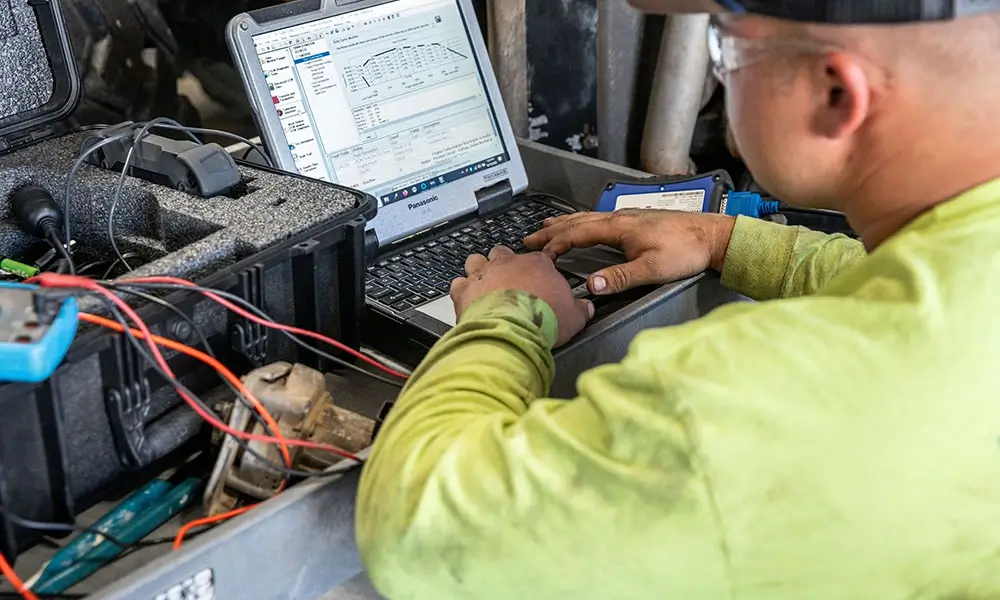
Truck fleet management hits real walls. High fuel costs, driver shortages, compliance headaches, and surprise repairs. Fuel alone eats 20%-30% of budgets because of poor routing, and these numbers will definitely escalate if immediate attention is not paid to the problems causing it. Include GPS tools in your fleet management service to optimize paths.
Driver turnover? Use apps for fair shifts and feedback.
Compliance is sometimes complex. The 2025 Commercial Vehicle Safety Alliance (CVSA) road check in the United States, Canada, and Mexico put 10,148 commercial motor vehicles out of service (OOS). The fleet management technology automates violation warnings and HOS logs. It can save your drivers and vehicles from an OOS order and heavy fines.
Breakdowns kill schedules. Fix with predictive maintenance and truck repair services. Back-office jams? Dashboards handle dispatch and invoicing.
Competition from big fleet management companies? Level up with affordable fleet management solutions that match their edge. Face challenges head-on, and your rigs will thank you.

How Epika Fleet Supports Smarter Fleet Management
Epika Fleet gets it; they are made of the hustlers like you. Tech and physical assistance are integrated in their fleet management services to reduce expenses and increase uptime. Transparency matters, so check our latest reviews to be sure of our services. We offer 24/7 support.
Need tires or brakes? Truck repair services handle it fast.
Worried about DOT Inspection? Our maintenance logs will keep you audit-ready.
Epika’s fleet management company approach fits small to mid-sized fleets, with ROI you see in months.
Final Thoughts
Getting your grip on fleet management would imply increase hauls, reduced headaches, and a fuller wallet. Select appropriate tools and service providers to get your operations running smoothly.
Frequently Asked Questions
What is fleet management?
Fleet management takes care of your vehicles, drivers, and routes to reduce cost as well as enhance safety. It’s a complete package for maintaining commercial fleets.
What does a fleet management system do?
A fleet management system tracks the location, maintenance, and performance in real-time, which assists with the routing, compliance, and efficiency.
Why is fleet management important for commercial fleets?
It saves fuel and downtime, provides timely deliveries, and prevents fines, which is essential in competing in commercial fleet management.
What are common fleet management KPIs?
Fuel MPG, utilization rate, on-time delivery, and keeping track of income and expenditure are some of the common fleet management KPIs. They gauge fleet management achievement.
How do fleet management companies support businesses?
The fleet management companies provide technology, maintenance, and guidance to simplify and increase profitability.