
Advantages of Fleet Leasing Compared to Buying and Renting

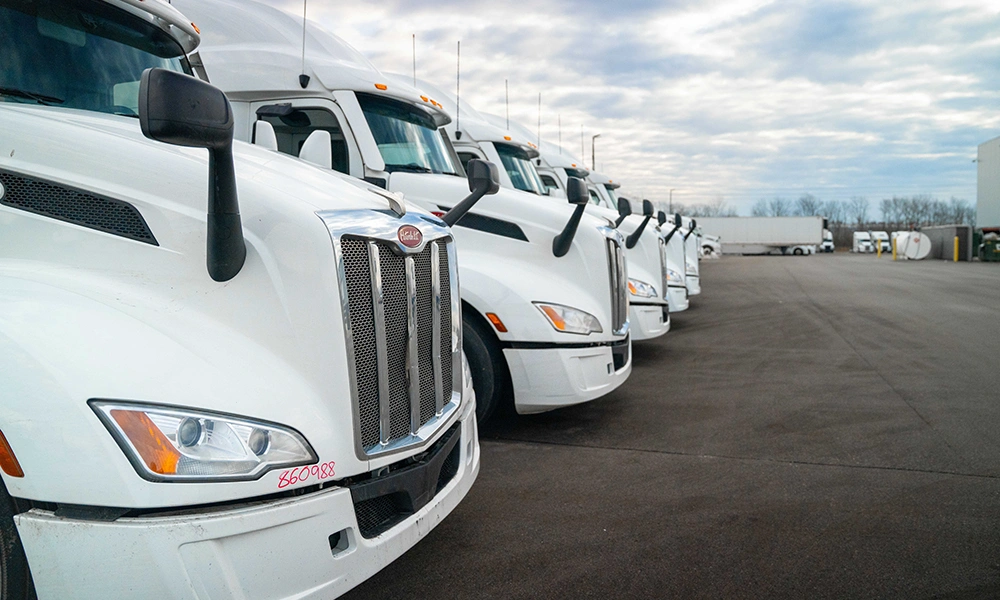
Fleet Leasing is an intelligent and affordable method of hiring trucks by logistics professionals. Fleet leasing allows companies to save their capital by not purchasing huge equipment, yet getting the benefit of knowing how much they will pay every month in advance. This method enables the businesses to have a current and dependable fleet with reduced maintenance concerns, which is a major benefit as compared to purchasing. Also, fleet leasing companies frequently provide services in managing the fleet to ease the routine of compliance or maintenance. Fleet vehicle leasing is also a significant source of operational flexibility that busy fleet managers need in order to cope with changes in the market within a short period of time and maintain the flow of cash.
Leasing is also less risky because it avoids issues about vehicle depreciation and problems with selling the vehicle, as is common with purchase. In contrast to renting, which only suits temporary purposes, fleet leasing programs are offered with longer terms, which is more economical and includes the newest technology.
In general, fleet leasing is a viable solution in cases where a company has the objective of maximizing resources as it grows and becomes efficient.
Understanding Fleet Leasing

Fleet leasing is a type of contract whereby businesses lease a number of vehicles for a specified duration of time, which is normally a number of years. In contrast to buying, ownership of the vehicles does not belong to the company, but the client is charged a monthly payment depending on the usage and duration of the term. With such a model, organizations are able to acquire a fleet that suits their operations without high initial acquisition expenses, which boosts financial flexibility. Maintenance and compliance support are usually offered by fleet leasing companies to minimize administration overheads, and so, maintaining fleets in good condition is easier.
The ability to upgrade vehicles frequently gives the firms an advantage in accessing the newest fuel-efficient vehicles and safety features. The operations that can be supported by fleet vehicle leasing are scalable, so businesses can adapt the size and make-up of a fleet in response to changes in demand.
To companies that prioritize efficiency and cost management, fleet leasing is an interesting means of having a competitive, responsive fleet.
Fleet Lease Meaning and Key Concepts
The term “fleet lease meaning” is used to signify the lease of more than two vehicles on the same contract, where a particular company pays a fixed price on a monthly basis to utilize the fleet. This lease is used to satisfy depreciation and usage over a certain period, whereby businesses are relieved of ownership costs such as resale and prolonged maintenance costs. The contract could have a mileage cap, maintenance packages, and its renewal or purchase at the expiry of the lease. Knowledge of the fleet lease operation assists businesses in utilizing the financial and operational advantages of fleet leasing over purchasing.
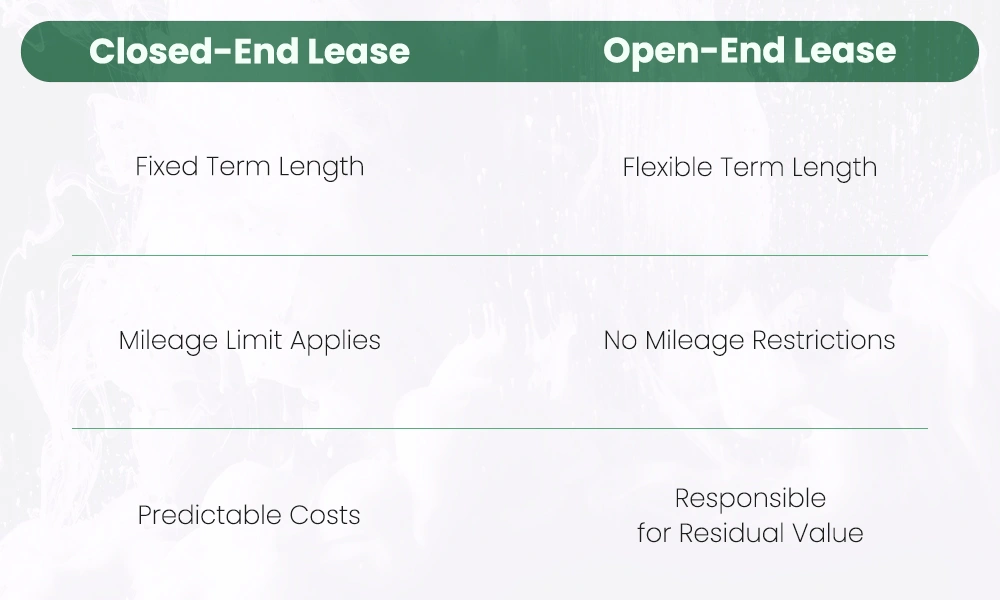
Major concepts to consider are the distinction between open-end and closed-end leases, the mileage limit, and the fleet management services. The open-end lease can involve a final valuation of the vehicle, and the closing-end lease can be predictable with no additional payment on the terms and conditions. Flexibility of the fleet vehicle lease fits various types of business requirements, both short-term projects and continuous operations.
Benefits of Fleet Vehicle Leasing
Fleet vehicle leasing provides considerably important benefits of reduced initial expenditure, diminished administration, and the opportunity to utilize contemporary and fuel-efficient vehicles. Through fleet leasing, companies do not tie their profits to the depreciation of assets, which promotes effective cash flow management. Maintenance services are often provided in a leasing agreement. It helps to minimize the time off the road and ensure that the vehicles are in good condition to meet safety standards. These characteristics render fleet leasing as an appealing option to businesses that are keen on maximizing the uptime and reducing the unforeseen costs of repairs.
Modern fleet leasing options provide greater flexibility to companies in expanding and contracting fleet sizes within short periods of time, and the ability to replace older models with newer models without the need to sell old assets. This business flexibility is critical in times of changing demand.
The incorporation of the new vehicle technology through a fleet lease company also contributes to sustainable fleet management as it aids in achieving environmental and driver-safety targets in an efficient manner.
Commercial Fleet Leasing Advantages for Businesses

The commercial fleet leasing offers other unique benefits to companies trying to find a stable means of transportation without hefty capital investment. It maintains liquidity as it transforms the big purchases into small operating costs, which may provide tax advantages. Fleet leasing also allows companies to maintain fleets with the latest safety, telematics, and sustainable fleet management technologies, enhancing driver satisfaction and compliance. There is also the ease of managing vehicles by working through a reputable fleet leasing company, whereby managers are left with the core business operations.
Under commercial fleet leasing, businesses are able to respond to market needs with flexibility without the burdens of long-term ownership. Service packages such as insurance, licensing, and maintenance are commonly offered as part of the lease agreements to allow the peace of mind and predictability of the budget. Fleet lease vehicles are mentioned by logistics companies that work across states and even in such a problematic area as Texas, as a source of keeping schedule reliability and cost control. Industrial case studies indicate that fleet vehicle lease programs are comprehensive and enhance the utilization of assets and reduce the overall cost of fleet ownership.
Renting Fleet Vehicles for Seasonal Needs
Fleet leasing is the best option when the business has short-term or seasonal transportation requirements and does not have to enter a long-term agreement. But fleet leasing is more cost-effective and flexible when companies need the vehicles to use over multiple months or when their operations vary. Leasing fleet vehicles seasonally enables the managers to save on high daily rates charged by short-term rentals by ensuring that they acquire equipment that matches the peak season demand. The seasonal fleet lease programs provide companies with brand consistency and equipment specifications across seasons when demand is high.

Several companies offer both full-year lease solutions and seasonal adjustments in their network to assist their customers in ongoing smooth operations during the high-demand cycles with minimum administrative inconvenience.
Advantages of Fleet Leasing Over Buying
Leasing presents several benefits compared to purchasing fleet vehicles, such as low initial fees, reduced maintenance liability, and simple upgrades of the fleet. Under fleet leasing, a company is not anchored with the depreciation or uncertainty of resale of the vehicles, and this allows the company to foresee more budgeting and cash flow. When purchasing vehicles on a permanent basis, they have maintenance, licensing, and compliance services, which may be expensive and time-intensive.
In contrast to purchasing, leasing offers increased flexibility in operations to customize the vehicle selections as the business requirement evolves. This is essential when fleets are operating in a fluctuating or high-growth market. Drivers and fleet managers are glad that fleet leasing provides them with access to new models with modern safety and fuel efficiency attributes. Testimonials from the clients of Epika demonstrate how leasing fleet vehicles has reduced downtime and increased drivers’ satisfaction with reliable and modern fleets.
Maintenance and Support for Fleet Leased Vehicles
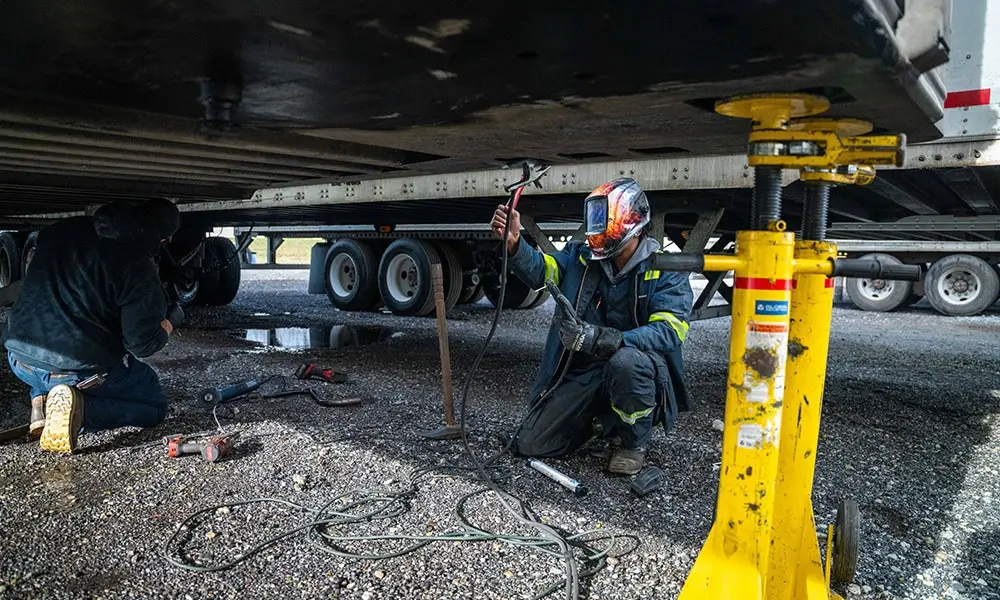
Another big benefit that one will have when deciding on fleet leasing as opposed to ownership is maintenance. Most fleet leasing companies have all-inclusive maintenance packages that consist of scheduled maintenance, repairs, and roadside assistance. This minimizes unforeseen downtime and unplanned costs to the fleet operators and assists in keeping the vehicles on the road and the drivers at work. Maintenance insurance is also a guarantee of adhering to safety rules and prevents the high cost of fines or punishment.
The maintenance needs are observed and tracked by the leasing companies available to the fleet managers in the form of dashboards and reports. This is because it is a proactive maintenance strategy that will increase the life of the vehicle and its resale value upon expiry of the lease. Clients highly speak of the ease of fleet vehicle leasing, which takes care of all the service logistics for the clients. With the selection of an appropriate fleet leasing company, vehicles are supported by specialists in terms of health and regulatory standards, as the company concentrates on the daily business operations.
Fleet Leasing vs Buying vs Renting
Fleet decisions can make one go down the rabbit hole in the conversations of leasing, buying, or renting. We have simplified the differences and made a side-by-side comparison. This table will, at a glance, give you the idea of who bears the costs, who has to do the maintenance, and which option will be best to consider depending on your situation. You do not have to spend hours explaining your choice, but you can easily view the advantages and disadvantages and determine the best route to follow with your fleet.
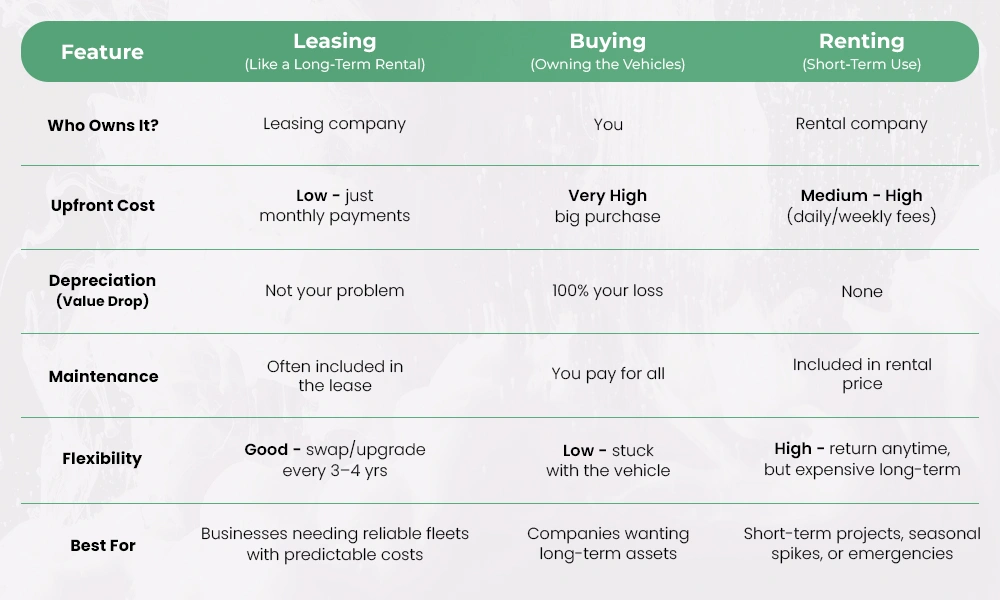
With the comparison in mind, it actually depends on the needs and budget of your fleet. In case you are interested in staying within your budget and avoiding the inconvenience of maintenance, leasing can be the best decision. Purchasing provides complete ownership, commits a lot of money, and leaves you with all the responsibility. Renting is good when there is a temporary surge in demand, but it becomes costly when done in the long term. When these differences are put into consideration, you can make decisions that will help your trucks stay on the road and your business operate normally.
Conclusion
Fleet leasing is a cost-efficient and versatile option to purchasing or renting vehicles and can be especially valuable to logistics professionals who care more about efficiency and cost management. Leasing reduces the initial investment, offers newer models, and in most cases, comes with the opportunity of maintenance and compliance services that simplify the management process. You should consider switching to a leasing program that saves money, saves time, and keeps your trucks up and running. Learn about our fleet leasing services. By collaborating with reputable fleet leasing companies, businesses are able to achieve the flexibility to expand and contract fleets, content drivers, and focus on operations.
Frequently Asked Questions
What options are available for fleet leasing programs?
The fleet leasing programs are divided into short-term seasonal programs and long-term programs, including maintenance, compliance, and upgrade programs. The mileage limits, types of vehicles, and packages of services can be customized in programs. The flexible plans fit the small operators and huge commercial fleets that require a predictable cost and access to vehicles on demand.
Can fleet leased vehicles be customized for business needs?
Indeed, numerous fleet leasing companies provide customization, such as branding wrap, special equipment, and interior modification. This is to make sure that leased vehicles comply with specific operational needs and branding criteria. Customization improves the identity and performance of the fleet and enables businesses to have a professional appearance while maximizing their vehicles to suit their cargo or service requirements.
When does it make sense to rent and lease fleet vehicles?
Renting is perfect when the need is very short-term or emergency, and there is no long-term commitment. Leasing fleet vehicles is ideal when there is a predictable long-term need and the cost control, maintenance, and fleet flexibility are the priority. Companies usually lease on a seasonal basis, for a period of expansion, or even to update their facilities, whereas renting is used to address immediate bursts or a project.
How does fleet management and leasing integration improve efficiency?
Integration of the fleet management and leasing eases maintenance of vehicles, compliance, and tracking. It eliminates the use of administrative effort, eliminates downtime by performing proactive maintenance, and offers real-time visibility of fleet position. This strategy can be used to streamline operations, manage costs, and maintain regulatory compliance, resulting in smoother operations and improved resource allocation.